Pink + Green = Breast Cancer Prevention

Tags

, , , , , ,

October is breast cancer awareness month. Pink ribbons are everywhere, from lapels and teddy bears, to cleaning products and perfume. So much levity and cheeriness for a disease that is deadly seriousness.* So much hypocrisy when these ribbons adorn items containing carcinogens.

When I think about breast cancer, I think about my mother, who died of it at the age of 50. I think of my own diagnosis 22 years later. And, I think of the women I encountered in the waiting room during treatments, and the many I’ve spoken to since, who unlike me, had no genetic risk factors and yet, just like me, were diagnosed with the disease at a relatively early age.

Why them? For that matter, why me? Why are so many of us being stricken?

Some of the answers can be found in a small, green paperback that my father presented to me a few months after my mother died.

Silent Spring by Rachel Carson was published fifty years ago last month and is often credited with igniting the environmental movement. Carson addressed her widely-read book to the general public. It clearly explains how man-made chemicals used to kill insects, weeds, rodents, and other such pests, can travel up the food chain and impact human health.

She asked:

Can anyone believe it is possible to lay down such a barrage of poisons on the surface of the earth without making it unfit for all life?

Carson also sounded the alarm back then for how these poisons can change us on a cellular level.

Some would-be architects of our future look toward a time when it will be possible to alter the human germ plasm by design. But we may easily be doing so now by inadvertence, for many chemicals, like radiation, bring about gene mutations. It is ironic to think that man might determine his own future by something so seemingly trivial as the choice of an insect spray.

Carson wrote these words in the midst of her own battle with metastatic breast cancer. She died two years after Silent Spring was published. Her wise and prescient voice silenced, just like the spring she envisioned in her book’s opening pages.

So while I applaud organizations that use pink ribbons to raise money for breast cancer research, I also agree with my fellow blogger, Elisa Batista, who says,

“It will be a good day when pink mixes with green.” 

To hasten that day, we must honor Rachel Carson’s legacy by educating others about the environmental causes of breast cancer. For the sake of our daughters and our sons (yes, men get breast cancer too), we must take action now.

And we shouldn’t rest until we pin the last pink ribbon on the lapel of the last corporate polluter, and send them packing.

***

This post was originally published by Moms Clean Air Force

* To better understand why so many of us resent the girly, pink symbolism associated with breast cancer, check out this terrific post by Erika Lade.

Women Who Dare

Tags

, , , , , , , , ,

What is courage?

According to Merriam Webster’s Collegiate Dictionary, Tenth Edition, it is “mental or moral strength to venture, persevere, and withstand danger, fear, or difficulty.” Courage, in other words, is volunteering to venture outside of your personal safety zone and stay there, come what may.

In her TED talk exploring human connection, researcher and storyteller Brené Brown reminds us that the word courage is rooted in cuer or heart, and the original definition is “…. the willingness to tell the story of who you are with your whole heart.” It’s the willingness, she says,  “… to be imperfect.”

According to Brown, that kind of courage allows us to make human connections, because connection requires authenticity. She found that the people she studied who felt a strong sense of love and belonging, “… were willing to let go of who they thought they should be, in order to be who they were.”

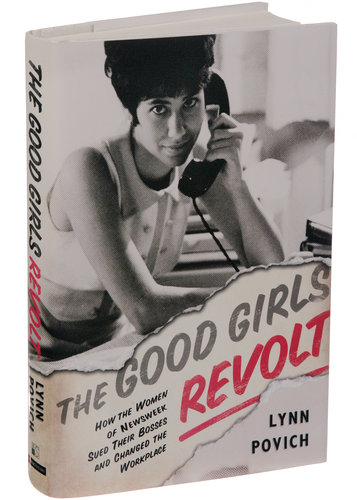
Courage has been on my mind these past weeks. I first started thinking about it while preparing to review The Good Girls Revolt: How the Women of Newsweek Sued Their Bosses and Changed the Workplace by Lynn Povich.

Povich provides a candid, step-by-step account of how in 1970, she and 45 other women working at Newsweek had the courage to be who they were, rather than who they thought they should be. These women shed their “good girl” upbringing, spoke up, defied the boss, and charged the magazine with discrimination in hiring and promotion.

The book reminds us that there is no such thing as “post-feminist” and that backsliding is easy, while forward progress is difficult, and the battle for equality and fairness must be fought over and over again. Today’s war on women and attempts to suppress the vote are certainly evidence of that.

And because October is breast cancer awareness month, First Lady Betty Ford has also been on my mind.

Ford exhibited enormous courage when she went against the culture of the time and publicized her own breast cancer diagnosis and treatment in 1974. My mother died of the disease in 1972, too soon to benefit from Ford’s candor, but twenty years later, her honesty helped me.

Instead of the whispered conversations I overheard as a teen when my mom was diagnosed, I talked openly with my two young sons about my own diagnosis and treatment. Sure, I was afraid. Terrified, in fact, that they would experience the same devastating loss that I had. That they, too, would be forced to learn how to live without a mother.

But because Ford was willing to shine a bright light on her own journey, as unpleasant, painful, and embarrassing as that may have been, it was much easier for me to talk about my illness with others. And though I often felt isolated during that time, I never felt alone.

Another woman who is taking the power by publicly discussing her experience with cancer is 24-year-old Suleika Jaouad. I have been following Jaouad’s New York Times column, “Life Interrupted,” for several months. She wisely and eloquently conveys what it’s like to grapple with a life-threatening disease while at the very beginning of independent adulthood.

Jaouad doesn’t mince words when it comes to the tough realities she faces. If, for instance, you have any doubts about the need for universal healthcare, perhaps her column on the topic will convince you.

Although Jaouad writes about her experience as a young adult with cancer, much of what she shares will resonate with anyone who has had the disease.

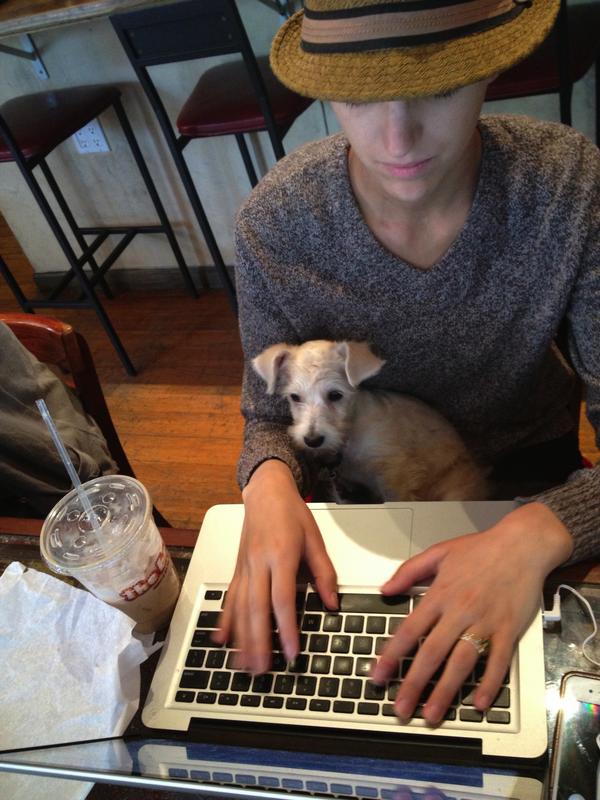
For example, this photo she posted on@SuleikaJaouad, reminds me of how victorious I felt when I brought home my first puppy one year after completing nine months of breast cancer treatments.

Photo by Seamus McKiernen, used with permission.

Seeing her with her new puppy reawakened the sense of urgency I felt both during and after my treatments: I’d better get that dog, take those trips, and give that child what he needs. Now.

Just like Betty Ford, Jaouad’s willingness to share who she is and what she is going through will connect her with and make a difference to those who read her words for decades to come.

Povich et al., Ford, and Jaouad, all exhibit Merriam Webster’s definition of courage — they all were willing to step out of their personal safety zones and stay there. As a result, they all have helped make the world a fairer and more accepting place.

But by also fulfilling the original definition of courage —the willingness to be imperfect, to tell their story with their whole heart — they connect with the rest of us in a deeper, more meaningful way. By opening the door so we can see ourselves in their struggles, they invite us to care and to join them. It’s a kind of courage that we can all aim for.

According to Brown, those who feel worthy of connection are not afraid to show their fullest, truest selves because they believe that what makes us vulnerable, makes us beautiful.

It makes us powerful, too.

Yes. I Was Rude.

Tags

, , , , , ,

You’re expecting a “but” here aren’t you? There are no buts about it. It wasn’t intentional, and I didn’t mean it, but yes, I was rude: To a customer.

There I was, head down, lost in thought, and elbow deep in cashmere as I processed a delivery. Two women walked into the store. I think I greeted them….. maybe not.

Then, out of the blue, one of them made a seemingly innocuous statement, “I thought you no longer sold bottled water in Concord.” *

“Huh?” I thought to myself, “we sell cashmere, not water.” But then, instead of making me purr, the way cashmere usually does, this popped out: “What’s your point?”

Oops. This is something I might say in jest to my husband when he drops the occasional non sequitur. But somehow, in that moment and context, I didn’t add my usual lilt of amusement. Even if I had, it still would have sounded wrong.

The polite response would have been something like, “Why do you ask?”  But before I could apologize she left the store in a huff, muttering loudly about “rude shopkeepers.”

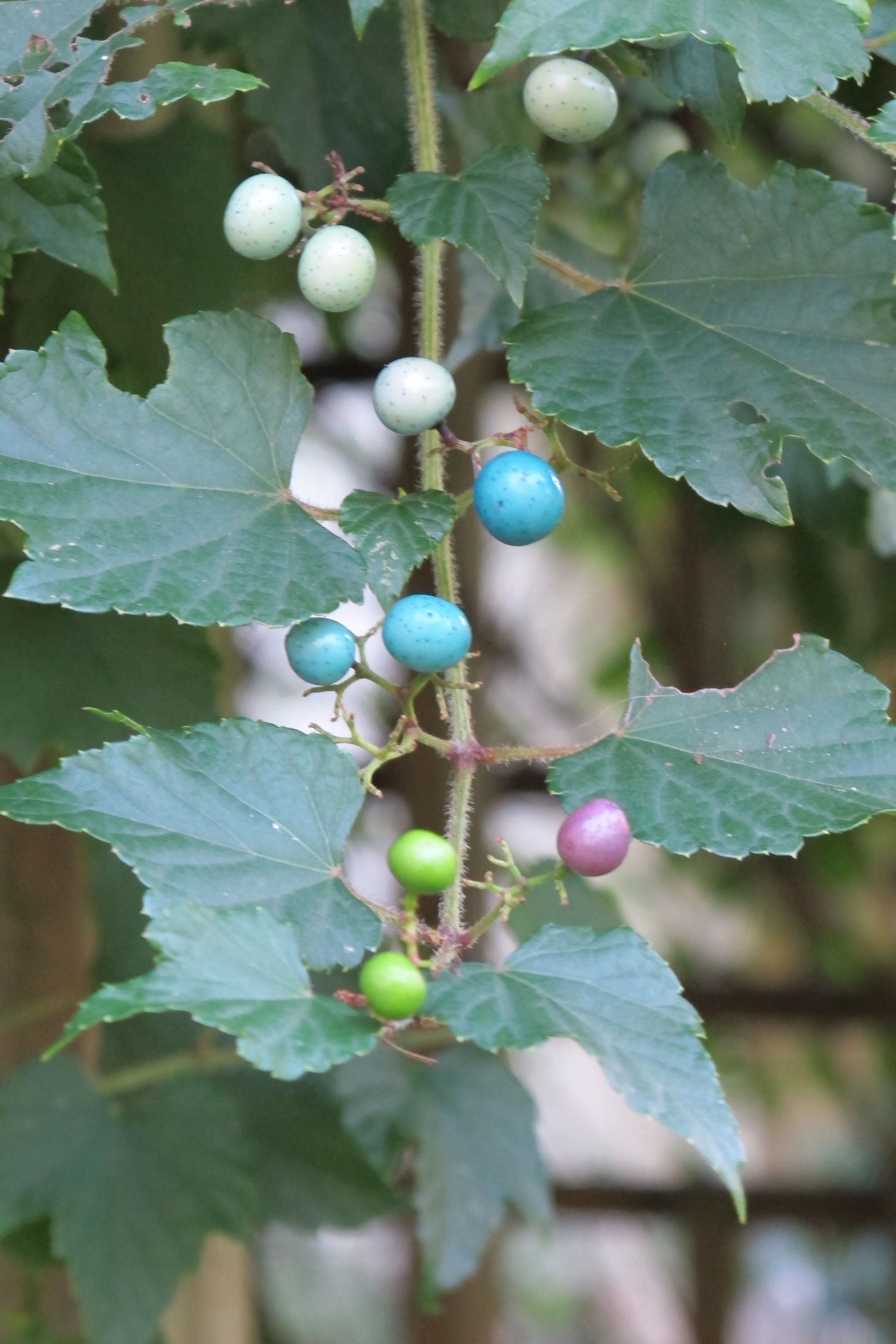
These porcelain berries are the closest thing I have to an olive branch.

I don’t know why this happened. I do know I had been feeling rather discouraged that day.

Perhaps it was the residual sliminess I felt from watching Scott Brown’s sleazy debate performance the night before.

Speaking of two-faced conservatives, did the woman’s shrill-ish voice conger up memories of a former landlady — the one who made a point of telling me how much she liked Jews?

Or maybe it was the fact that I was doing better with the cashmere, than I was with my blog. I was starting to feel as though I had nothing new to say.

Bingo.

So, in addition to apologizing to the customer, I guess I should thank her for sparking a post. That is, if she ever sets foot in  my “shop” again.

While I’m waiting for that day, tell me, have you ever inadvertently let loose a snail on an unsuspecting victim? If so, please confess. It will help me feel like less of a jerk.

*The town of Concord, Mass. has banned the sale of less than 1 liter bottles of water, which goes into effect next year. You can read more about the reasons behind the ban here. 

Fall Forward

Tags

, , ,

There’s a definite chill in the air. Last night I layered two wool blankets on top of the summer one. Before long I’ll have to pull out the down comforter. Outside, the garden is making its yearly journey from the sunny yellows of mid-to-late summer, to the richer, more textural pinks, reds, and purples of my fall bloomers.

As the garden makes its turn into fall, and we pile on the blankets, it’s easy to wax nostalgic about the days when there were four of us rushing out the door each weekday morning. But I’m resisting that temptation.

Instead, I’m focusing on what I will make happen — as opposed to what might happen — next.

It’s been two years since I lost my job, and during that time, I have created a framework on which to build my days.  Daily walks with the dog, thrice weekly swims, and Tuesday and Thursday afternoons working at a local store, provide the bones for my week. In between each of those activities I work on my blog and other writing assignments.

The transition from the formal structure and demands of full-time employment and parenthood that I’ve clung to for most of my adult life, to the looser requirements of freelance work and empty-nest living, feels like a chasm that I will continue to cross for some time to come.

I don’t know if I will ever feel I have “landed” again. In fact, it’s possible that I’ve never felt that way. Not really. What I do know is that my current writing assignments, both paid and unpaid, feel more authentic, are more satisfying, and bring me more joy than anything I’ve done in the past. And, much to my surprise, this new work and lifestyle have brought me friends and supporters from some unlikely and even far-flung places.

Although I’m still working on how to turn this more joyful work into a decent income, I am grateful that I no longer have to fake excitement or passion when I don’t feel it. I can say what I mean and mean what I say. The ability to just be myself has been one of the most rewarding aspects of my ongoing transition.

This fall, I’m putting on some new shoes, and adding to my my already existing framework. My new DIY structure will continue to evolve. It may never be fully finished, but it will be strong enough and flexible enough to feed my brain and nourish my psyche. With luck and hard work, it might just sustain me through the ever-changing, always surprising, journey ahead.

Why I Buy Organic Food

Tags

, ,

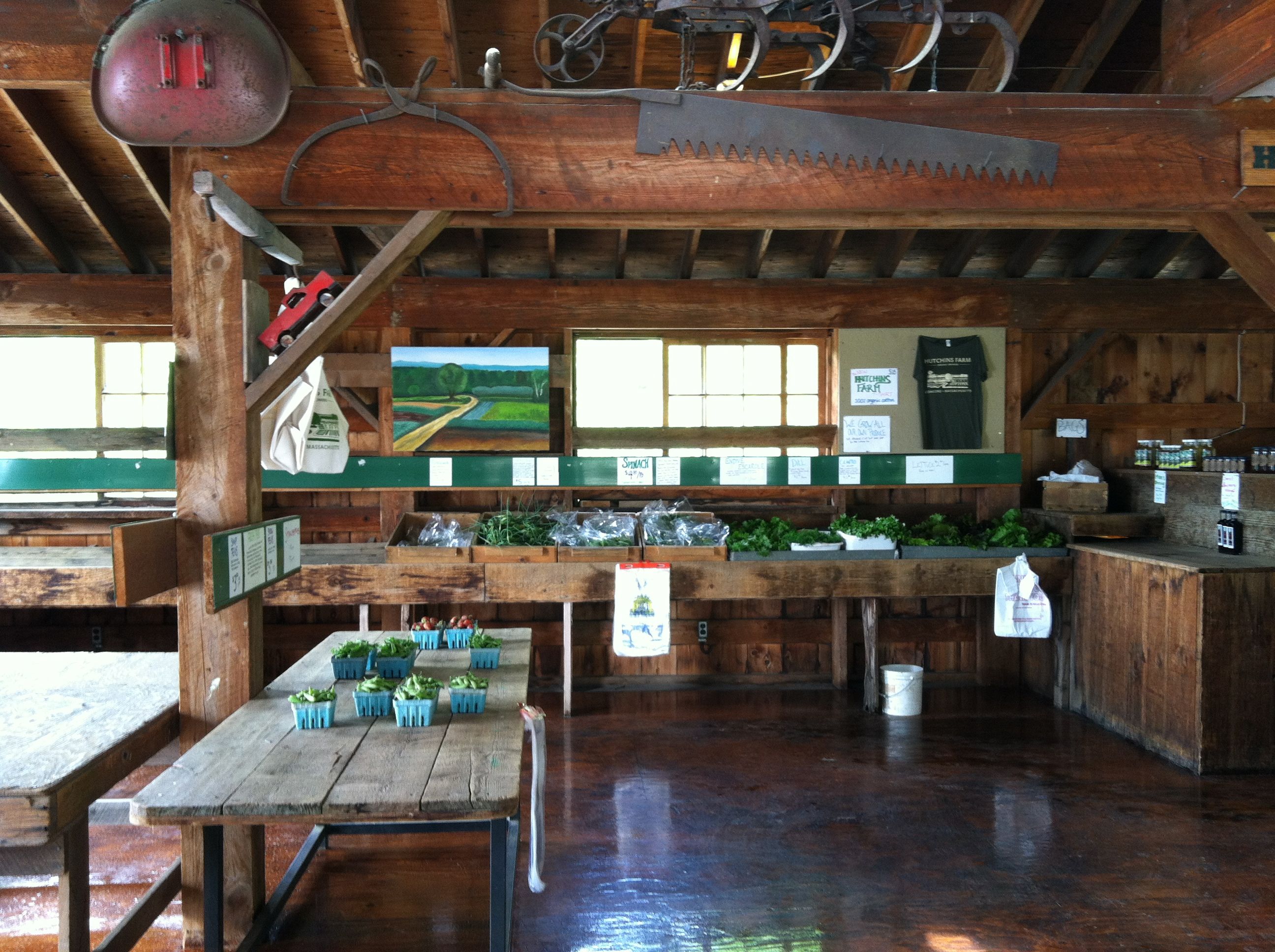
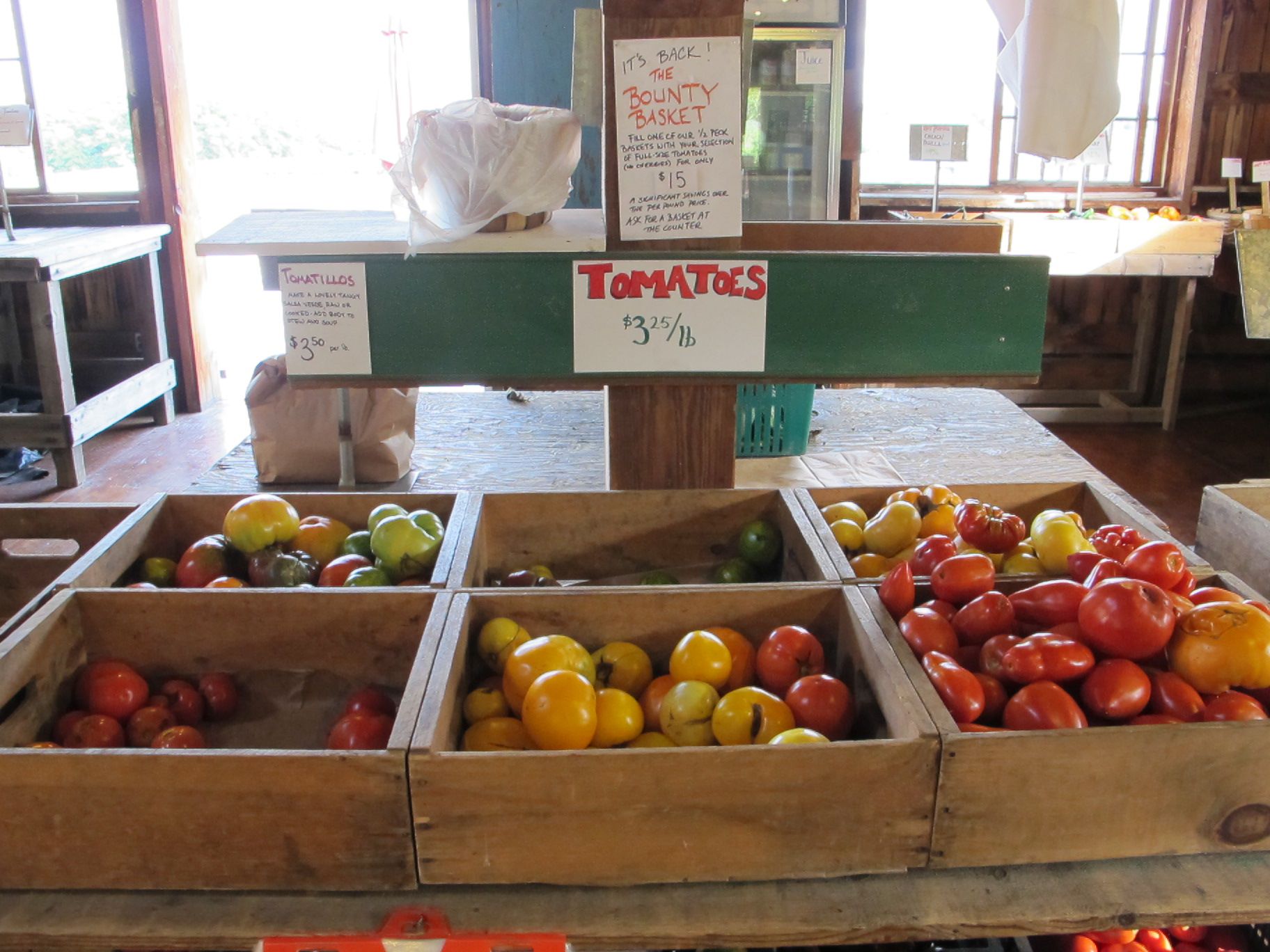
Every spring we wait in breathless anticipation for our local organic farm to open. In late May, the bounty starts to roll in, beginning with lettuce, arugula, and spinach.

By late June we start to see strawberries, and as the season progresses, the shelves become more and more crowded with gorgeous, local produce.

Meet Liza Bemis, my local organic farmer.

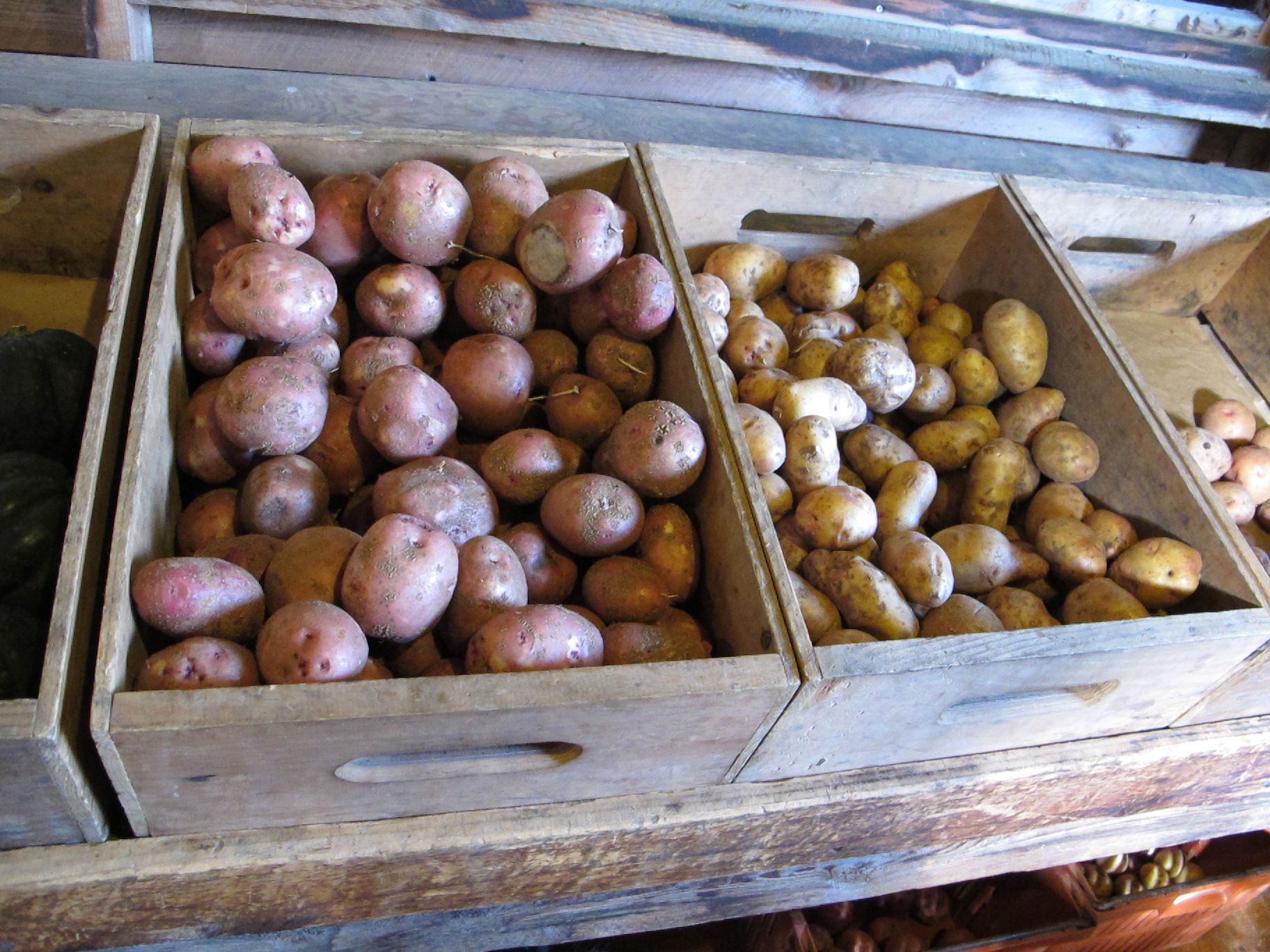
Now that it’s September, watermelons are on the wane, tomatoes are still in full swing, potatoes are coming in, and squash is beginning to fill up the bins outside.

There is nothing more tasty than a roasted potato that was pulled out of the ground that very morning.

I love my local organic farm.

So when I saw “Organic Food Benefits Doubted,” trumpeted in the index on the front page of yesterday’s New York Times, my blood began to boil. The article, prominently placed in the front section under National News, did nothing to calm my ire, “Stanford Scientists Cast Doubt on Advantages of Organic Meat and Produce.” 

Both headlines were deceptive. The study found that organic meat and produce are no more nutritious than conventionally grown meat and produce. But that’s not why I buy organic food.

I buy organic food because it isn’t grown with pesticides or injected with hormones. And because organic farmers don’t use pesticides and other chemicals, they aren’t harming the environment. According to Liza, that’s the reason organic farmers do what they do.

They love growing healthy food, and they respect where it comes from.

Maine = Vacationland

Tags

, , , , , ,

When it comes to technology, I can be a bit shy. And, yes, shy is the right word here. Whenever I get a new piece of equipment, I don’t dive in and immerse myself by either experimenting with all of the buttons, or by cozying up with the manual on the couch for a few hours.

I like to circle, develop a feel, and take my time. Even the unpacking should be a bit ceremonial.

But as I mentioned in a previous post, our camera died. The new one arrived just as we were about to drive up to Maine for a few days. We had been invited to spend some time with friends on Little Cranberry Island, across the water from Acadia National Park.

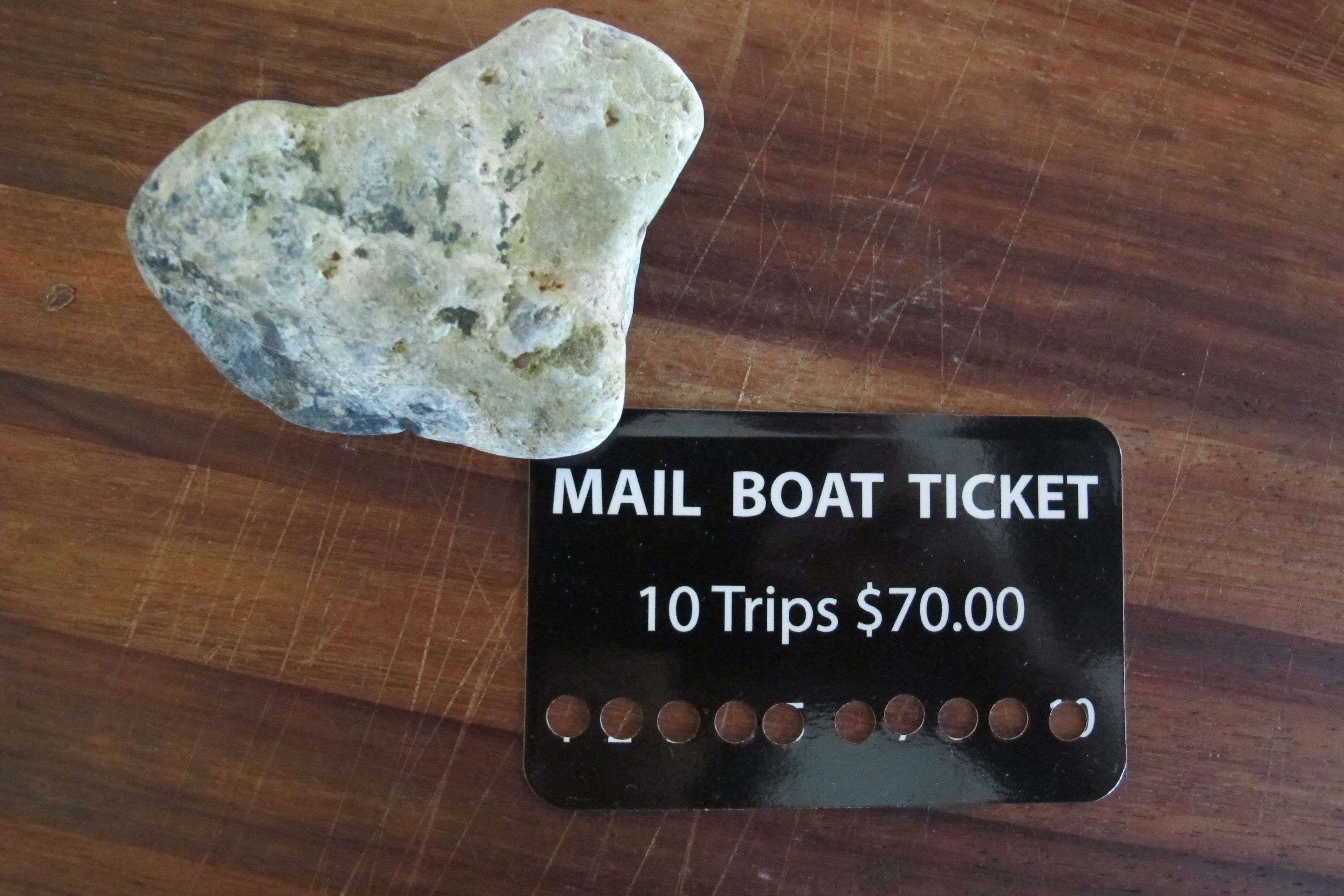
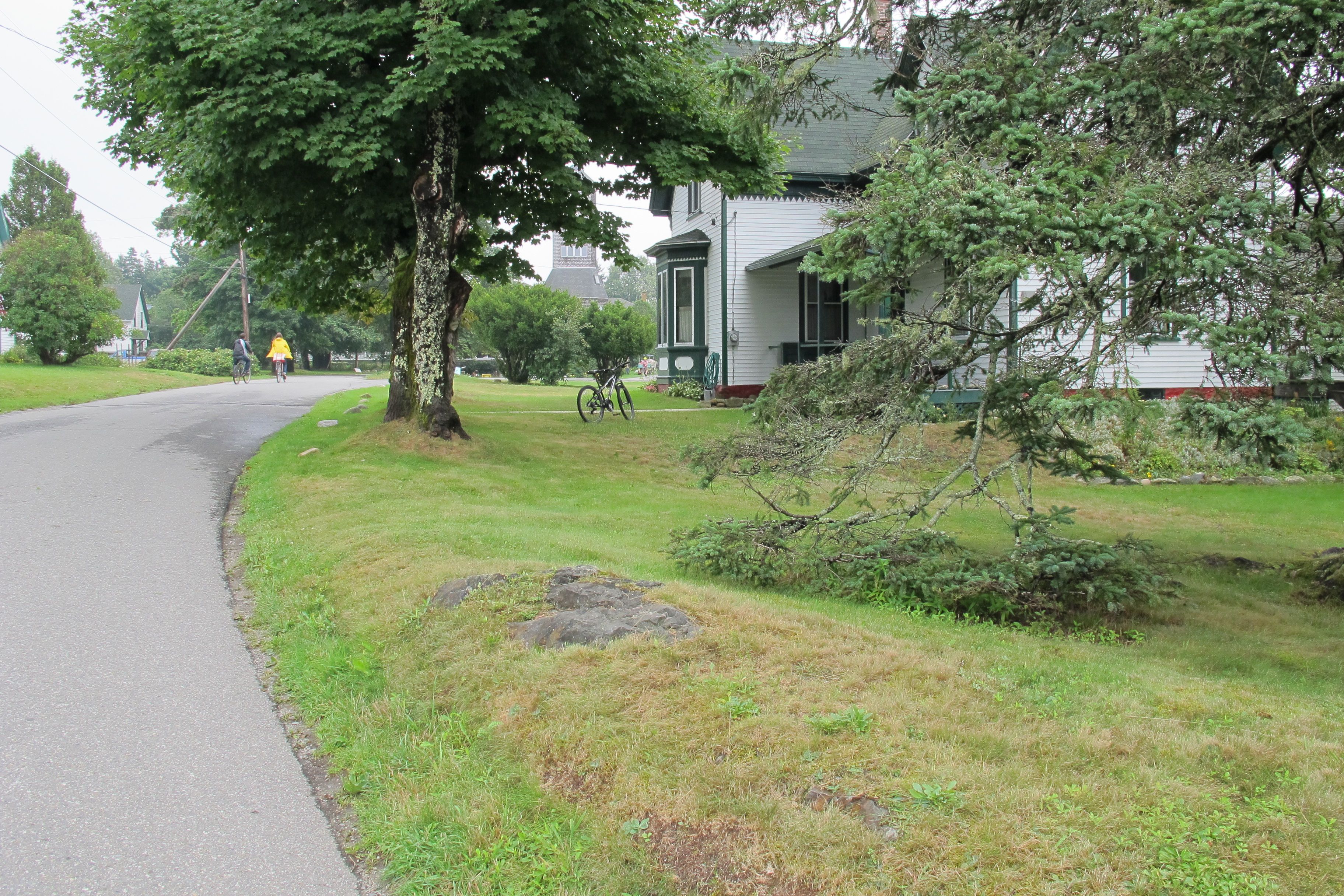
You travel to the island via the mail boat. And once there, you don’t feel stranded, but life does proceed at a calmer, more sedate pace.

The view from our hosts’ front door is spacious.

And here’s what you see when you walk around the island.

One of the best things about the trip was spending time with our hosts’ 10-year-old son. I love that he is in our lives. And I’m so glad he came along when he did. It has been a privilege to witness his development from baby, to toddler, to a thinking, feeling human being. He is whip smart and funny

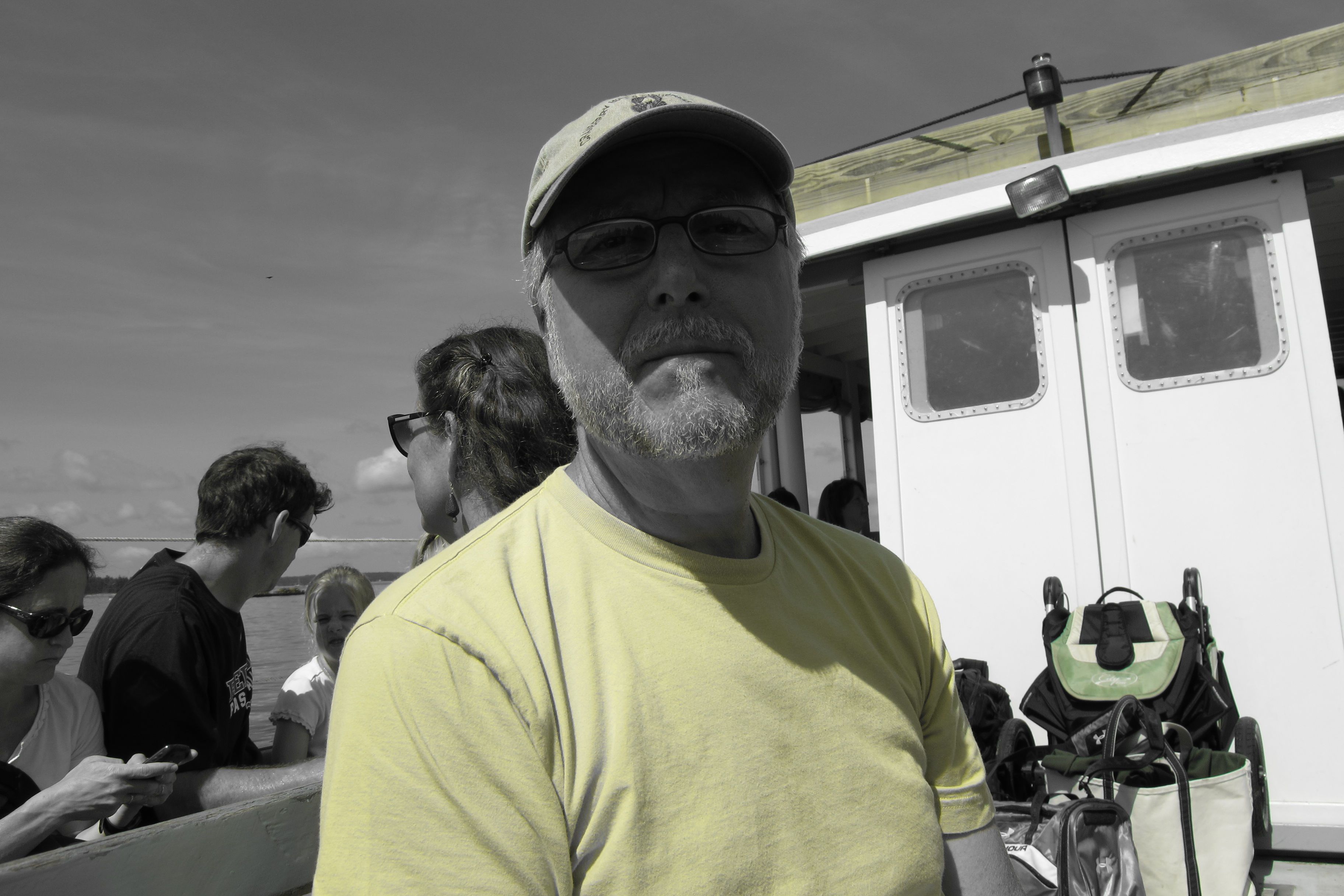
He’s not shy about technology, oh no. He asked if he could use my camera while we were on the mail boat. His nimble fingers made short work of finding the special effects button.

Photo by Nick Howe

Photo by Nick Howe

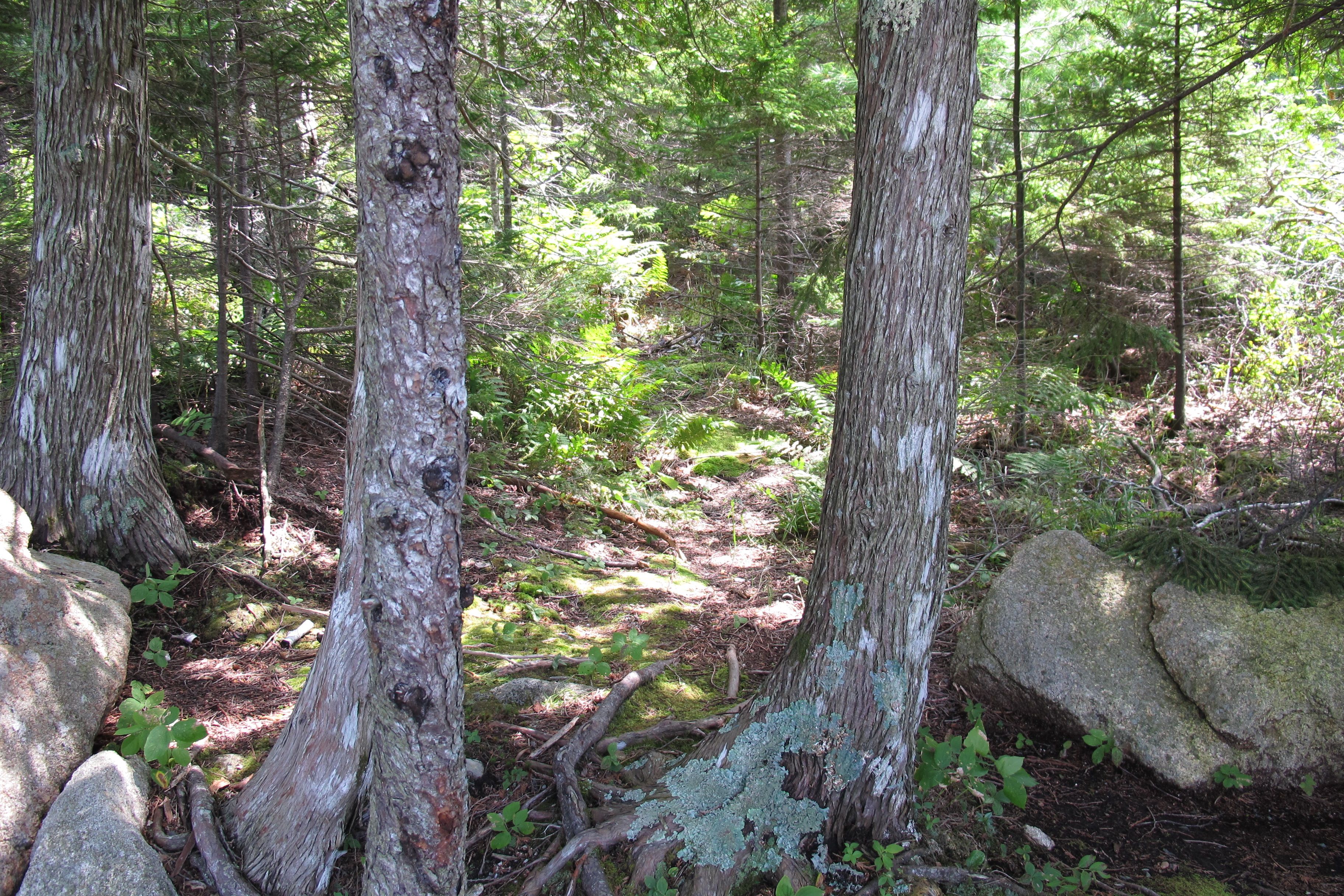
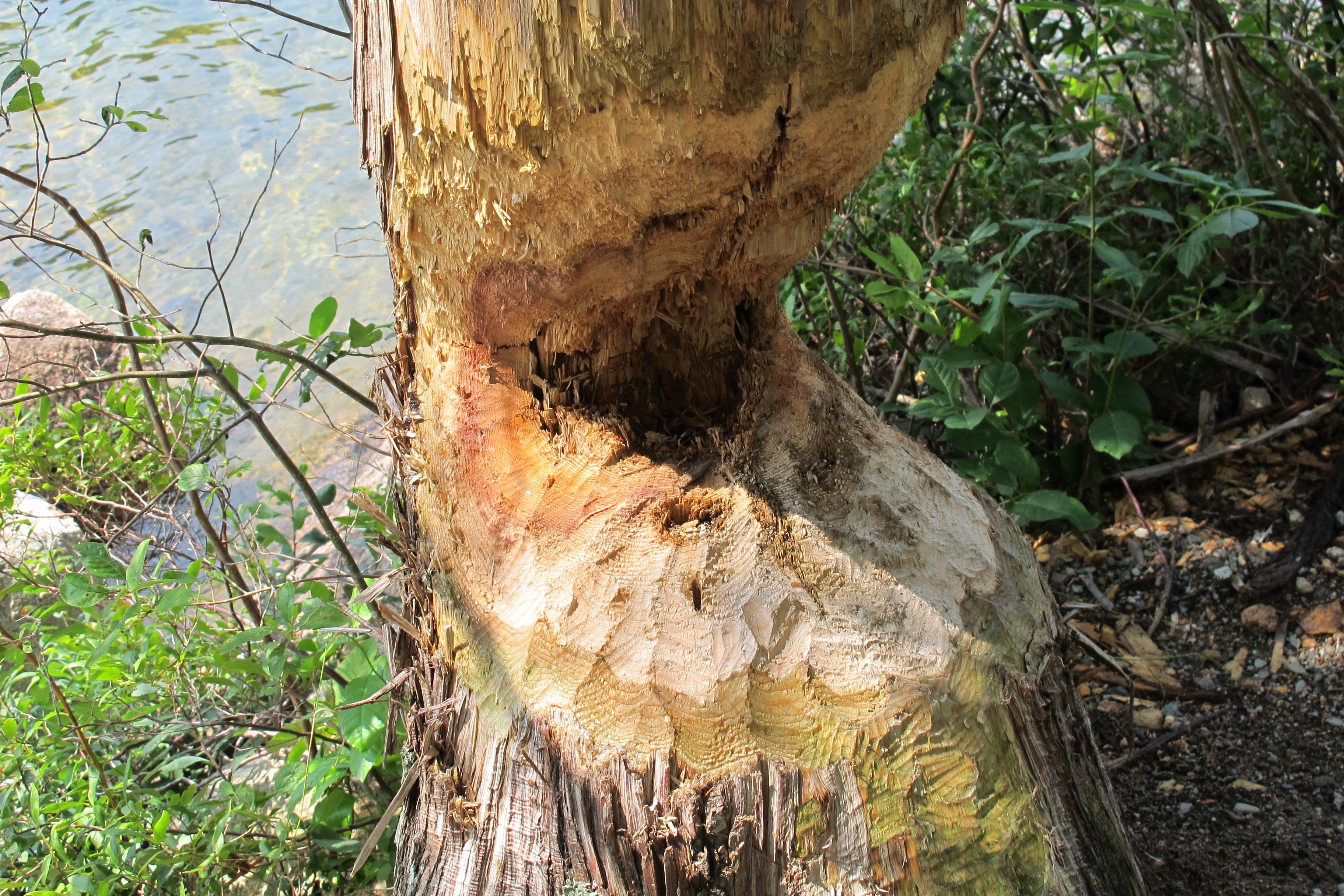
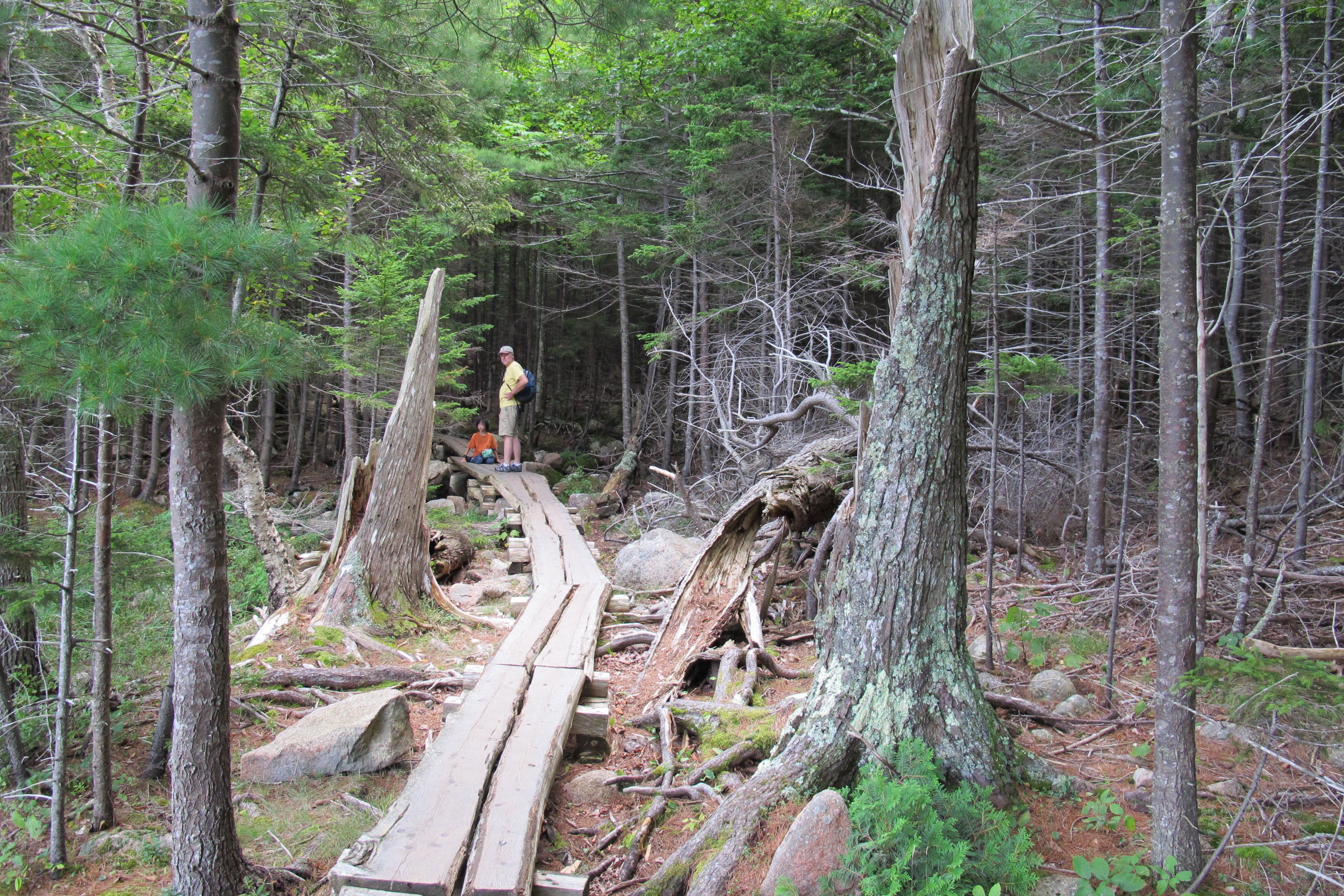
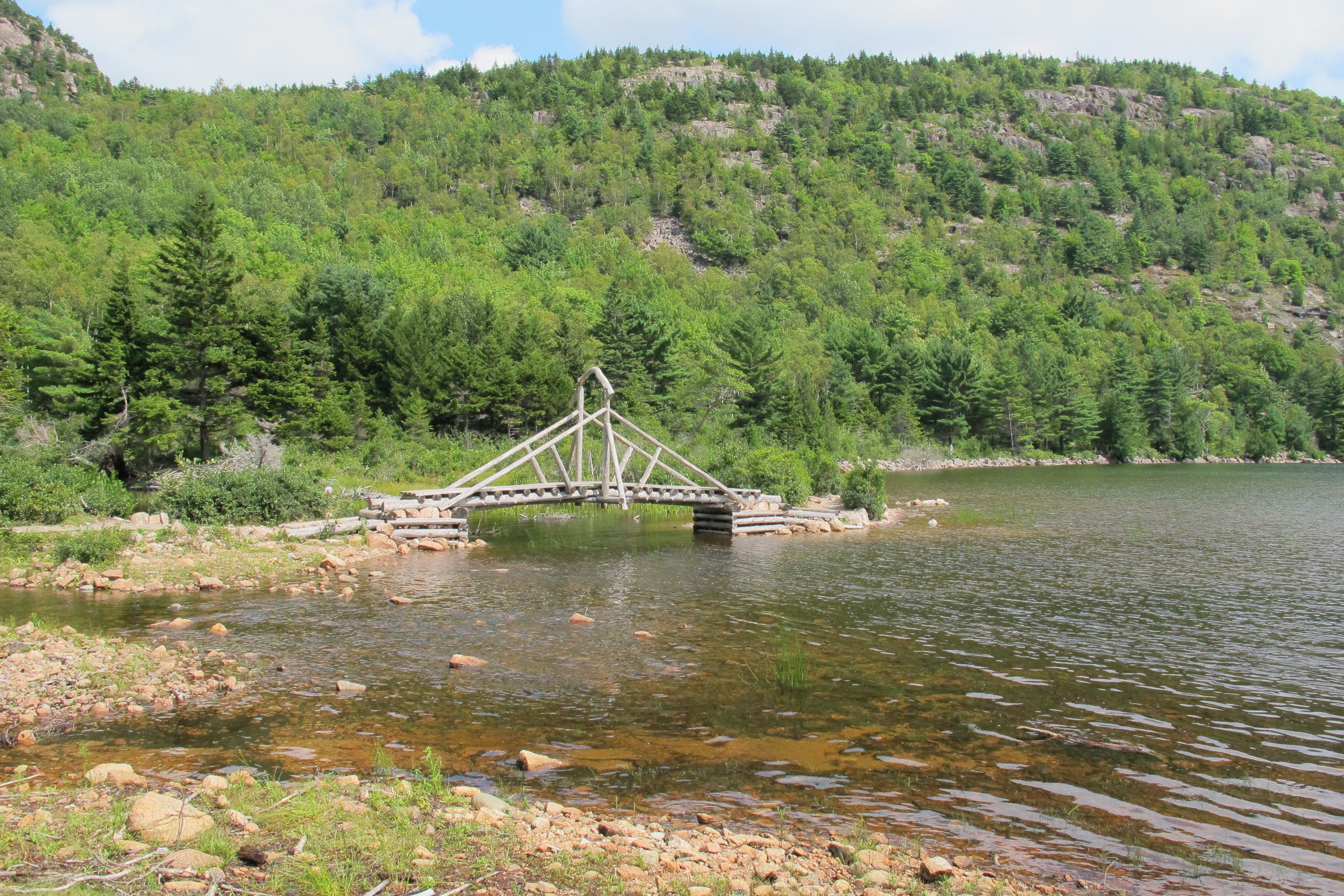
Once on the mainland, we took a walk around Jordan Pond inside Acadia National Park.

Photo by Nick Howe

So, dear readers, may your remaining summer days be both slow and sweet, and may their memory keep you warm during the shorter, cooler ones ahead.

As for me, my “shyness” should dissipate soon and I expect I’ll keep busy and warm by poking, prodding, and giving this new camera the third degree.

I hope you’ll stay tuned !

A Blog of One’s Own

Tags

, , , , ,

Whenever I think about connections between women, I remember coming home from school to find my mother drinking coffee at our kitchen table with her friend Rolande. From my first-floor bedroom, I’d hear the low murmur of Rolande’s French-accented English, punctuated by my mom’s musical laugh.

These days we can connect with other women all over the world via email, instant messaging, video chats, and by commenting on each other’s blog posts. Women we’ve never met face to face have become our friends, colleagues, mentors, and students. We talk, argue, and commiserate as we share stories, opinions, successes, and heartbreaks. Yet we still value, and even crave, that old-fashioned face time.

A few weeks ago, in New York City, BlogHer held its eighth annual conference, and those sessions felt like my mom and Rolande’s kitchen-table conversations—on steroids. BlogHer is a community and media company created in partnership with women in social media “to create opportunities for women who blog to pursue exposure, education, community and economic empowerment.”

Both genders are welcome at the conferences, but most of us at BlogHer ’12—more than 5,000 of us—were women. We were gathered there “to talk about everything from pop culture to parenting to politics,” said BlogHer co-founder Lisa Stone in her opening address.

Indeed, among the bloggers that I met during a “speed-dating” session were a dominatrix with an IVF baby; a mommy blogger; and a woman who teaches sign language to help new moms communicate with their babies.

Why do all these different women blog, and what do they have to say? 

I started my own blog because, after decades of writing for other people’s publications, I needed something of my own—a place where I could express my own thoughts and opinions in my own voice, and even (gasp) have a bit of fun. 

The blog has offered me a chance to reflect out loud about the everyday stuff of an almost 30-year marriage, an empty nest, and tie my concerns about climate change to what’s happening in my own backyard.

Casey Carey-Brown, the mommy blogger I mentioned, describes her experience at the conference  and why she blogs this way:

“I found myself surrounded by thoughtful, vulnerable, honest writers and heard over and over how they are in this because they have to be. Because they love it. For the life that it brings. The life of reflection. Of higher standards for yourself. The struggle and joy of being able to work at your craft and always get better. Always be better.”

Other women I met blog for more concrete, practical reasons. Lori Alper, of Groovy Green Livin told me in an email that she blogs because it “allows for a learning and connecting with an ever-growing  fabulous community of  like-minded men and women.”

Lori began blogging on the heels of another career. A former lawyer, she started her blog because two of her children were born with life-threatening food allergies.

“After spending a great deal of time educating myself on non-toxic living, my family began experiencing first-hand the benefits of living an organic, non- toxic lifestyle.  I knew I needed a larger forum to learn and share. I decided to trade in my attorney suit and follow my passion—and Groovy Green Livin was born as a way to educate myself and others on how to live as naturally and toxin-free as possible.”

Meeting women like Lori, whom I’ve gotten to know online through our mutual work for Moms Clean Air Force, was among my main motivations for attending the conference. I also met and hung out with several other bloggers and staff from Moms Clean Air Force—one of whom, I learned, is a fan of this blog!

I also shared a drink with two women whose blog I had begun to follow only recently: Carrie Tuhy and Mary Lou Floyd from Second Lives Club. These accomplished women post essays about women who are embarking on dramatically different lives than those they lived when they were younger.

Making eye and voice contact, and engaging in a lively back and forth with such vibrant, intelligent women has inspired me to dig deeper, focus on what feels authentic, and to be both fearless and passionate when expressing my opinions and ideas.

The conference sessions provided valuable takeaways and motivation for moving forward. 

I attended BlogHer sessions on writing; on forming and using online organizations to make change; and how to price and value your services.

Two themes that came through in almost every session I attended were:

  • Women have a powerful voice. President Obama’s willingness to open the conference via video is proof positive that what we say and how we vote really does matter. (Mitt Romney, who was also invited, was unable to participate.)
  • Bloggers and writers want—and expect—to be valued and paid for their work. This ambition came through loud and clear in almost every session I attended. The writing sessions addressed issues such as transforming blog posts into printable essays (most print publications pay their writers) and how to approach editors at paying sites, such as Women’s Day.

There were also keynote sessions featuring Martha Stewart and Katie Couric, and a panel with Soledad O’Brien, Christy Turlington Burns, and Malaak Compton-Rock. For a terrific synopsis and a “shoes-eye” view of those sessions, I suggest you read this post by my friend and fellow blogger Ronnie Citron-Fink.

The formal sessions. coupled with many small conversations, helped me clarify my goals. I realized that while my own blog allows me to feed my more creative side and speak my mind, I also want to be part of something bigger than myself. I left the conference even more determined to continue and expand my work for clean air and children’s health.

And while the conversations I had with others at the conference weren’t as personal as the ones between my mom and Rolande those many years ago, the support and friendship I felt as I pushed back my chair and left BlogHer’s enormous kitchen table was every bit as real.

This post was originally published by Women’s Voices for Change.
On Luck, Gratitude, and Wild Turkeys

Tags

, , , , , , , , , ,

Last week I joined 5000 other women at the 2012 BlogHer conference in New York City. To make the event more affordable, and to have a little family time, Paul and I drove down together and stayed with our son in Brooklyn.

The thought of rubbing elbows with people I’d only known through online exchanges was pretty thrilling. And I was looking forward to making some new connections and taking home some helpful tips and inspiration from the sessions.

But I was also nervous. There’s nothing to make me feel more like a country bumpkin than a trip to the Big Apple.
Because I generally travel with my extremely competent male entourage, finding my way from Brooklyn to the conference on my own would be a new experience. In fact, when my son heard my plans, he joked about making me the kind of placard that kindergartners wear while on a field trip. “My name is Judith, if lost, please call….”

Jokes aside, his excellent directions enabled me to arrive at the conference without a hitch.

Well almost.

Sadly, he didn’t give me any fashion advice that would enable me to survive a 45- minute subway ride without looking like I’d slept in my clothes.

I’d agonized for days over what to wear. And I chose my two favorite summer dresses, both with fabulous belts. The problem was that one was cotton, the other linen, and no matter how well they traveled when carefully folded in a suitcase, they both became a wrinkled mess after I’d sat in them for any length of time.

But my dress worries vaporized when Paul and I came back to Brooklyn after meeting for dinner in the city. Our car was not where we left it. It had been towed — a front wheel was allegedly outside of the legal space. When we got it back, it was making an ominous new noise.

Which leads me to the string of bad luck we’ve had over the past couple of weeks. A few days before our New York trip, Paul was driving his van home from a job. It was raining hard and his windshield wipers suddenly went dead. He had to pull over and wait for the storm to pass.

After our trip and the second car fiasco, my prescription sunglasses and then my swim goggles disappeared in quick succession. Like the car, they were suddenly gone from where I surely had left them. Apparently there’s a black hole for eyewear.

Then, when it seemed like we’d lost or broken everything we could in one week, I saw a family of turkeys crossing our yard. “Get the camera!” I whispered to Paul. He brought it over, turned it on, and announced, “It’s dead.”

Luckily, my iPhone was handy and still working (for now at least).

I was transfixed by this momma and her five babies as they made their stately way across our yard and into the garden.

Karina was transfixed too.

So here’s the current tally: two broken cars with one very expensive repair, two pairs of lost eyewear, and a deceased camera (did I mention that the electric toothbrush is also on its way out?).

So yes, we’ve had a run of bad luck. But the fact that it’s the everyday, garden variety kind of bad luck and not real trouble makes me enormously grateful.

Grateful that my husband can fix a lot of things.

Grateful that my friends are willing to step up and provide help and advice. (Thank you Jane and Heather for the camera recommendations. And huge hugs to Kathleen who made sure I attended the conference with nice-looking business cards.)

Grateful that lost items, unlike people and friendships, are easily replaced.

And grateful that we arrived home safely and can sit on our deck and enjoy Mother Nature’s daily parade.

Vase by Elizabeth Cohen (http://elizabethcohenpottery.com/)

“P.S. Today Is One Hot Scortcher.”

Tags

, , , , , , , ,

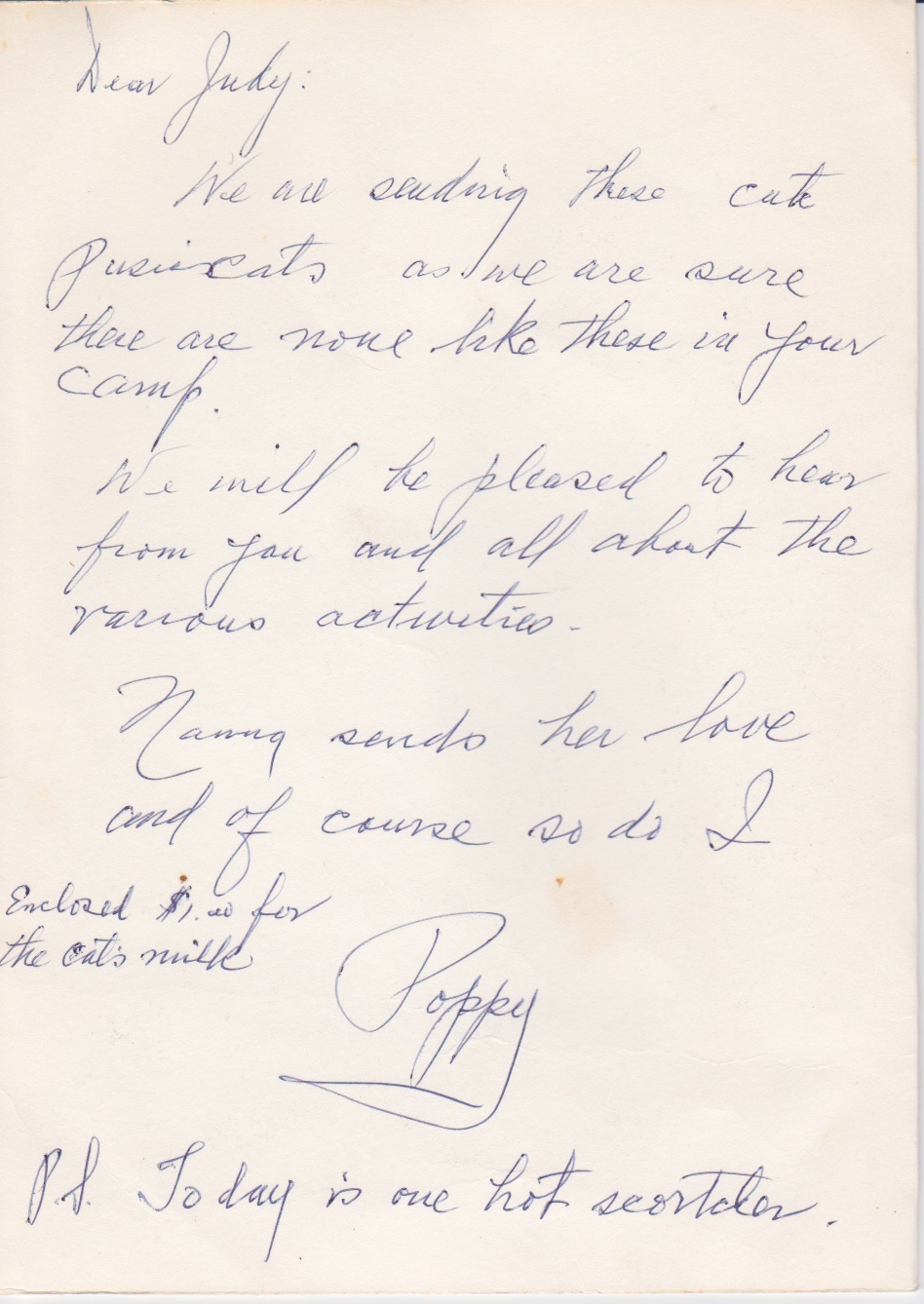
The spelling is imperfect, but the card and note inside are priceless. My grandfather sent the card to me while I was away at overnight camp. Somehow, I have managed to hold onto it and other letters from home (more about those in another post) throughout several moves and numerous decades.

But my Poppy’s P.S. on this card comes to mind whenever we have a heat wave.

Other than his interesting spelling — which I’m just now noticing — I am also focusing on his choice of words, especially the word “one.” Back in the early- to mid- 1960s when the card was sent, we’d have the occasional oppressive day here in the Boston area — a real scorcher. It almost always cooled down at night and the extreme heat rarely lasted more than a day or two.

This week has been one of several this summer when we’ve had a whole string of days with high humidity and temperatures reaching well into the 90s. A few mornings ago, I walked into our kitchen to find that the outdoor thermometer read 80 degrees. “One day soon we’ll be waking to 90 degrees,” I commented gloomily to my husband. Indeed, I am dripping as I write this from my non-air-conditioned home office.

Many of you know that I write about climate change, air pollution, and their effects on children’s health for Moms Clean Air Force. But while I think everyone should understand the facts about climate change, I also want them to know that we can design, build, and act smarter so that future summer mornings don’t have to be even more oppressive than the ones we are living through now.*

I am fascinated by the idea of understanding and planning for the environmental impacts of what we do. While we must continue to demand that our representatives in Congress crack down on corporate polluters, and that both of our presidential candidates address this issue, I also find it comforting to talk about how we can do better in the future.

That is why I recently interviewed my former high school classmate, writer and historian Catherine Tumber, about how small cities may hold the answers for greener living.

“Renewable energy requires land for solar farms and wind turbines,” she told me. “And next generation hydropower requires special waterways. These smaller cities have those resources, making them a great asset to environmental health. Coal energy is a big polluter. These places have the resources to develop the alternative if we just have the political will.”

You can find Cathy’s book, Small, Gritty, and Green here.

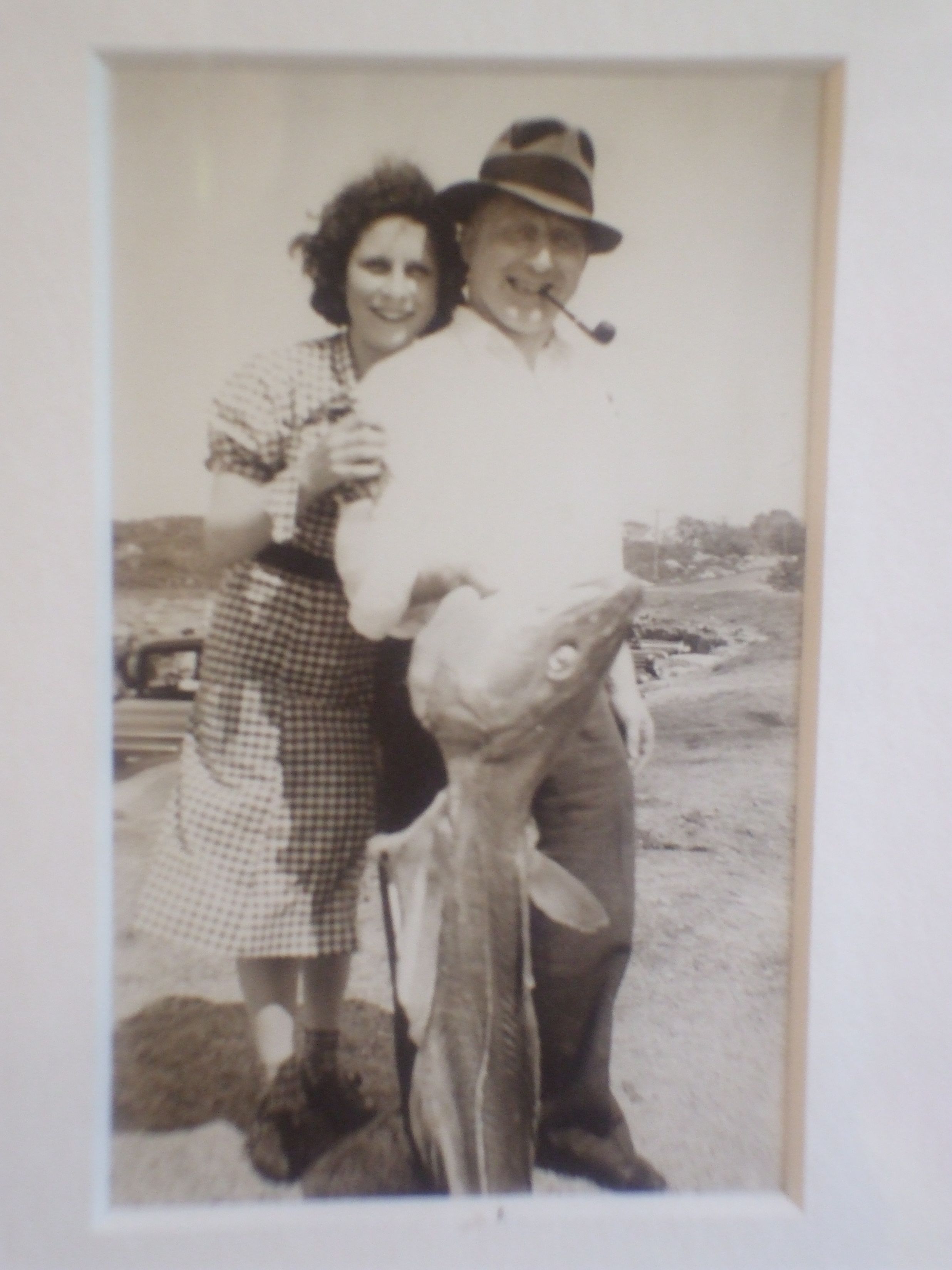
My grandfather would be just as proud of me for writing about these issues as he and my mother were of his big fish in the photo below.  And he would be horrified to know that there would be a question about the safety of eating any fish I catch today.

He adored his grandchildren as I will my own if and when they materialize. And I’ll want to make sure they have the extras like he did (note the “Enclosed $1.00 for the cat’s milk”), but I also want them to have something that isn’t an “extra” at all: A planet where they can play outside, breath easy, catch—and even eat—a big fish or two.

*In this week’s New Yorker, Elizabeth Kolbert explains that global warming works on a time delay, writing “Behind this summer’s heat are greenhouse gases emitted decades ago.” She also notes that “Both President Obama and Mitt Romney have chosen to remain silent on the [climate change] issue, presumably because they see it as just too big a bummer.”

Now and Then: A Visit to Cape Ann

Tags

, , , , ,

Last week my friend Erica announced on Facebook that she was hankering for a lobster — with lots of drawn butter. “Anyone want to join me?” she asked.

It sounded good to me, and before you could say “summer day trip,” Paul, Karina, and I were in the car driving north to meet her in Rockport.

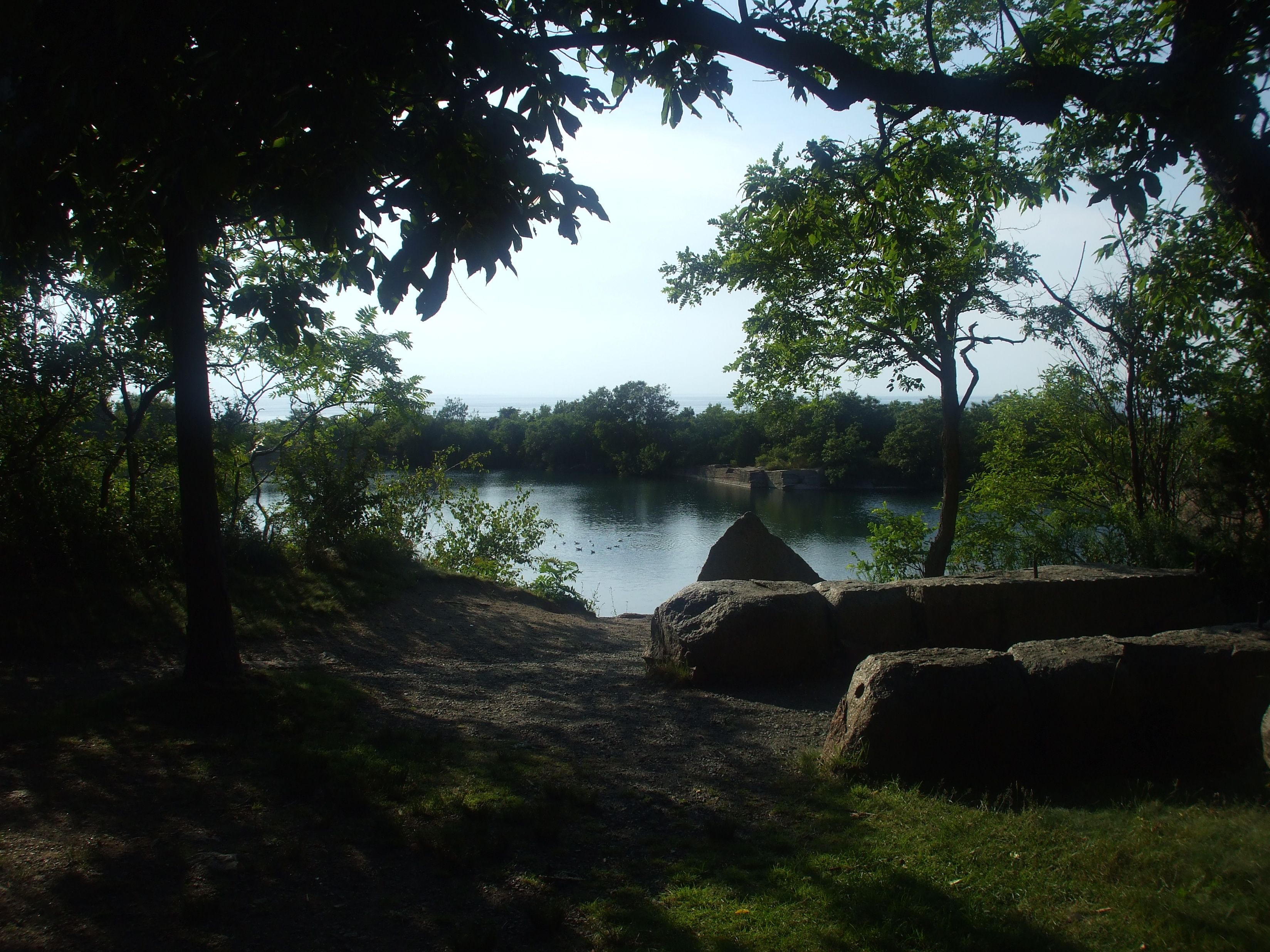
The lobster was a bit small and a little disappointing, but it was followed by a memorable walk in Halibut Point Park. The park is home to a quarry, which borders the ocean.

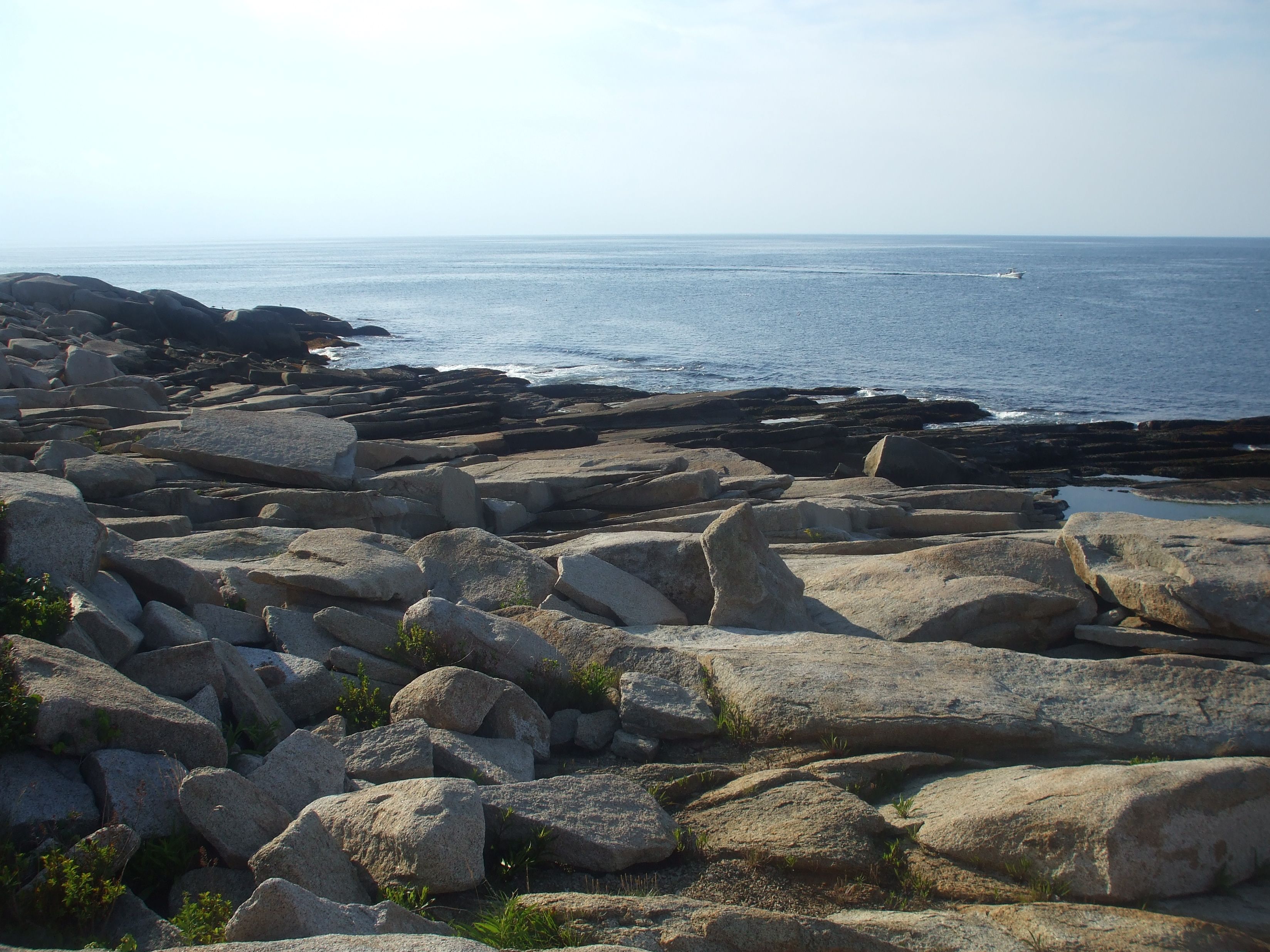
While I held onto Karina’s leash, Paul took aim with the camera. His photos show why I think Cape Ann is one of the most beautiful and unique places on earth.

(That’s me in the blue hat.)

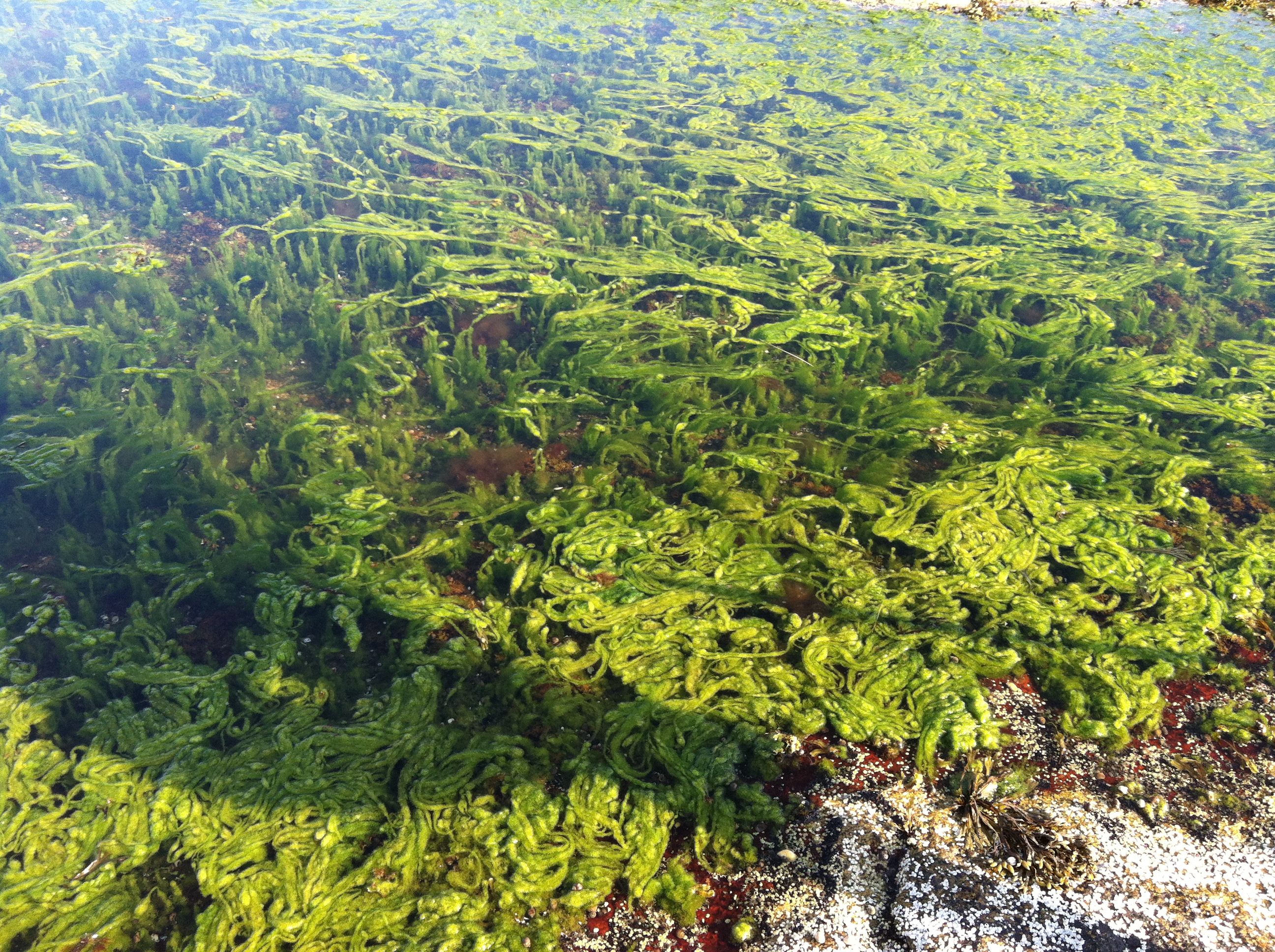
Karina handled the rocks like a mountain goat, and she surprised us all by lying down on a bed of green seaweed at the bottom of a tidal pool. I wasn’t quick enough to catch her La Dolce Vita moment, but the seaweed was more patient.

The waves were mesmerizing and I stood rooted to the spot, just watching and listening (that’s Paul and Erica discussing cormorants in the background).

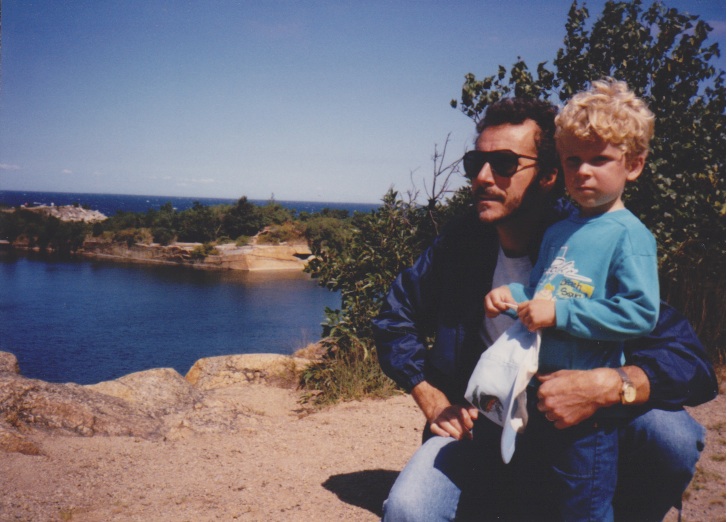
When we got home, I remembered something I’d seen while scanning some old photographs. We’d been here before.

These were taken on a September camping trip circa 1990, when the boys were still boys, my hair an unfaded red, and Paul wore ’80s sunglasses before they were considered “retro.”

Happy weekend everyone!