The Mystery of Memory

Tags

, , , ,

My grandparents lived in a brick house with black shutters. It sits as it always has on a tree-lined street and maintains the solid address of 25 Cabot Street.

As you face the house, the driveway and yard to the right dip down at a steep pitch, flattening when they reach the back yard, making the lawn’s grassy slope a safe place for rolling or sledding, depending on the season.

The yard behind the house abuts a neighbor’s, and when my grandparents lived there, it was home to a couple of pear trees and my grandfather’s rose garden.

25 Cabot Street-photo-2

These are the facts as I remember them, and snapshots like this one verify my mental image of the place.

But the remainder of my memories of that house and its inhabitants — the scratch of my grandfather’s whiskers when I kissed his cheek, or the smell of the single rose he’d place in a vase atop a mahogany hutch in the living room — are mine alone. I don’t know what my brothers see and hear when they mentally walk through its rooms, if they do, or if that house haunts their dreams the way it does mine.

I loved my grandmother, but I adored my grandfather, and he adored all of us. Again, I have evidence: a photographic proof made in his basement darkroom with notes.

Poppy's proof

Poppy'snotes

Because he died a few weeks before my 11th birthday, my recollections of drawing with him at our kitchen table, or counting sidewalk cracks as we took our ritual Sunday walk around his neighborhood come in snatches like a crudely edited home movie.

My feelings connected with a time so long ago that ended too soon were reawakened as I read Karen Joy Fowler’s latest novel, We Are All Completely Beside Ourselveswhich explores the tricky terrain of memory.WE-ARE-ALL-COMPLETELY-BESIDE-OURSELVES-jacket_300x450-200x300

Rosemary, the story’s narrator, was five years old when her sister Fern was abruptly removed from their home. Rosemary’s earliest memories are of living on a farm, where she was heaped with attention, and where she and Fern were always together, a tangle of limbs on their mother’s lap. Until one day, Fern was gone.

What happened? The memories Rosemary has held onto for years are a quavery, incomplete version of events. Her older brother’s memories are another, more judgmental accounting of what happened and why. Eventually, Rosemary’s instincts reveal yet another story.

When an early connection is abruptly cut off, the depth of that loss is something one could spend a lifetime pondering and exploring. After years of tamping down some important truths, Rosemary eventually releases her memories and unravels the mystery of how Fern came to leave.

It is a fascinating read and well worth the tears that come during its deeply satisfying conclusion.

I’ve never had a sister, and I’ve never lost a sibling. Yet I understand what it means to lose someone important during your formative years. Their absence and your imperfect memories may haunt you. But you also might realize that some love is powerful enough to shape and sustain you long after time has reduced its face and voice to shadowy afterimages.


Wallowing

Tags

, , , , ,

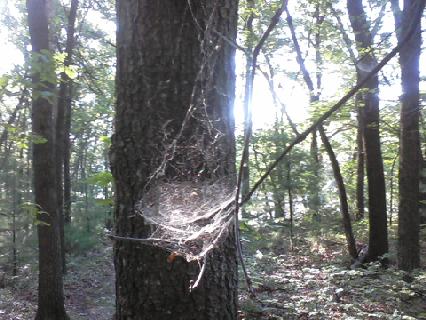
cobweb

The past few weeks have brought hot, humid weather to the Northeast. Morning after morning, I hustle Karina along our customary walk, swatting away the multitude of flies and mosquitoes that swarm around us all along the way.

The heat and humidity make it hard to focus, and if I were to have a coherent thought, typing while my fogged-over glasses slide down my sweaty nose (and this is after a shower), is nearly impossible. To top things off, my computer went haywire, the cursor skipping around from sentence to sentence, clicking on ads and other links of its own accord.

I was wallowing. A lot.

It started in early June. A piece that I had put my heart and soul into didn’t get published when promised. It may soon see the light of day, but its timely lead is no longer timely and it is deeply personal.  As more time passes, the more nervous I feel about people reading it.

As June progressed, and the weather got hotter and hotter, I deflated and drooped a little more each day. Pretty soon I was comparing my publishing success to that of others….always a sure road to nowhere.

To be fair, June has a history of being difficult. It is a month of anniversaries that clearly demarcate the all-too-swift passage of time. Forty-one years since I became motherless, and 30 years since I became a mother. Yes, I have a child who is 30 years old. That particular anniversary, more than the other one, hit me hard this year.

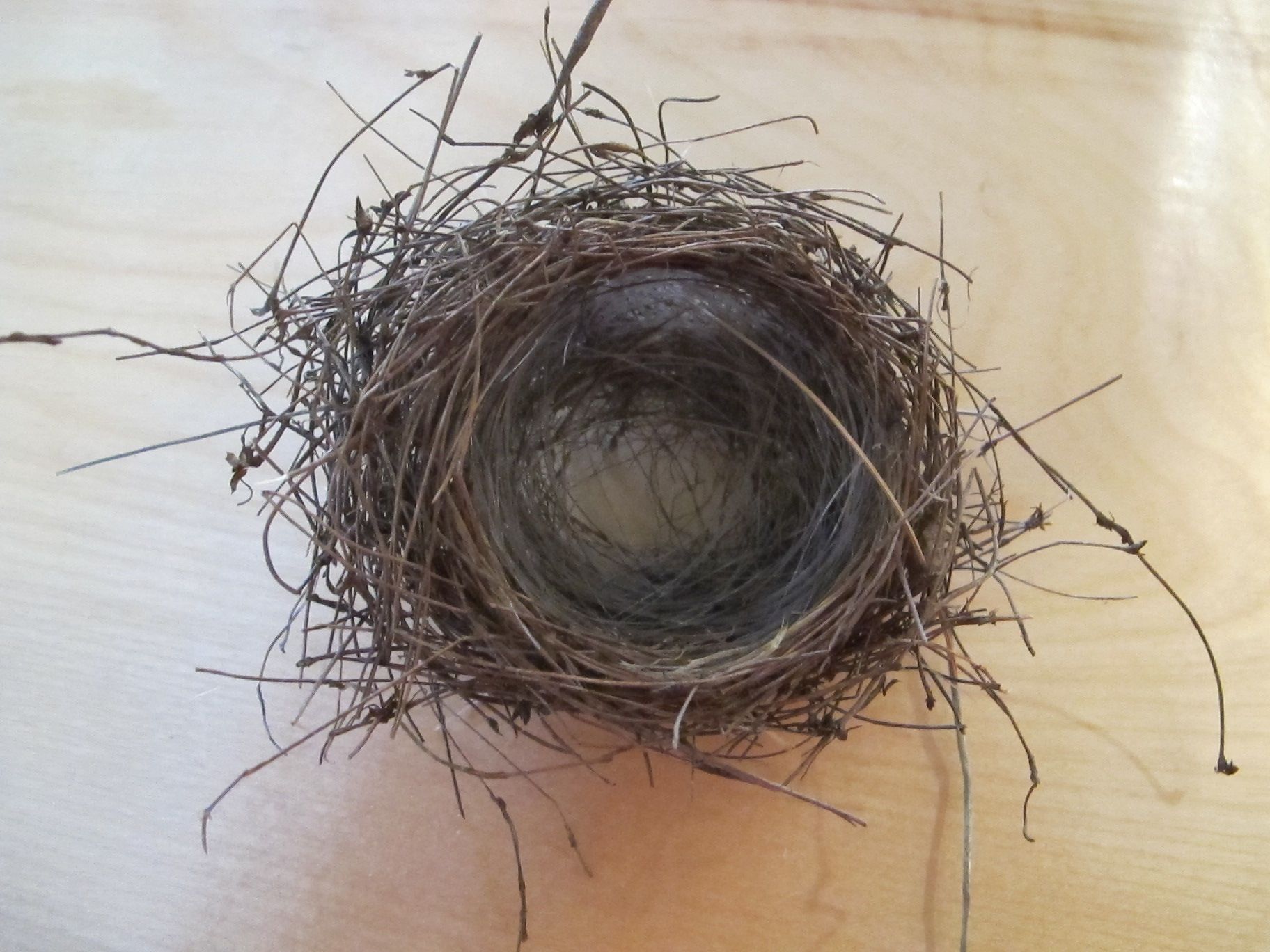
Nest

In mid- June I pulled some muscle or other in my thigh. Swimming and walking are fine, but rooting around in the garden isn’t possible, and so, I’m letting it go feral this summer. Like everywhere else, it’s too hot and buggy in there anyway.

As if I weren’t already feeling decrepit enough, my dermatologist implied that my multitude of freckles/moles were solely due to too much sun. Sun? Really? In the Northeast? Haven’t you heard of genetics, Bub? So I wallowed in that for a while… until I noticed a woman at the pool. Deeply tanned, her skin was covered with large dalmatian-like spots.

Sometimes, comparison is helpful.

Then my computer went kablooey, and there were histrionics.

The atmosphere inside our little house got even hotter, and to escape, I started reading a book with an angry woman narrator.  I am so into that book right now (The Woman Upstairs by Claire Messud). And I can’t wait to discuss it with the friend who gave it to me — especially the comment my local bookseller made as I was buying it for another friend. He said that he found the opening paragraphs “a little too shrill.”

Female anger is such a bummer, especially for men. My husband can handle it though. As he told me after the histrionics subsided, “… it’s good that it wasn’t directed towards me.”

But today, things are looking up. First off, the temperatures are in the 80’s not the 90’s and I can actually type this post without dripping all over the keyboard.

Yes, my computer has been fixed.

  • New track pad: $90.
  • Having a place to vent: Priceless.

And, I have had some writing published this summer. Climate change, always on my mind, came to the fore and I submitted a couple of posts to Moms Clean Air Force.  One on how Climate Change has hit home, the other on how it is threatening New England seafood. By the way, you don’t have to be a Mom to join, just an engaged citizen, and if you haven’t already, I’d urge you to take action.

Then, a couple of days ago, the brilliant D.A. Wolfe reminded me of how lucky  I am that my sons are independent, that they still want to share their lives with us, and that both are doing work that they and we can be proud of.

Shameless plug: older son’s band is releasing an album on October 8. Freckles or no freckles I’m still cool enough to rate an advanced copy. I’m listening to it now and the music has enough energy to make even the most lethargic among us want to get up and dance.

And you know what else? My garden is doing just fine without me.

garden

In so many ways,  I am a free woman!

We all need work, we all need purpose and I’m glad that those are the things I’ll be obsessing about this summer — rather than who’s publishing where, or who or what is or isn’t to blame for my spotty skin — because the day we stop looking for work and purpose is a day when the wallowing has gone too far.

Blue and Pink

Tags

, , ,

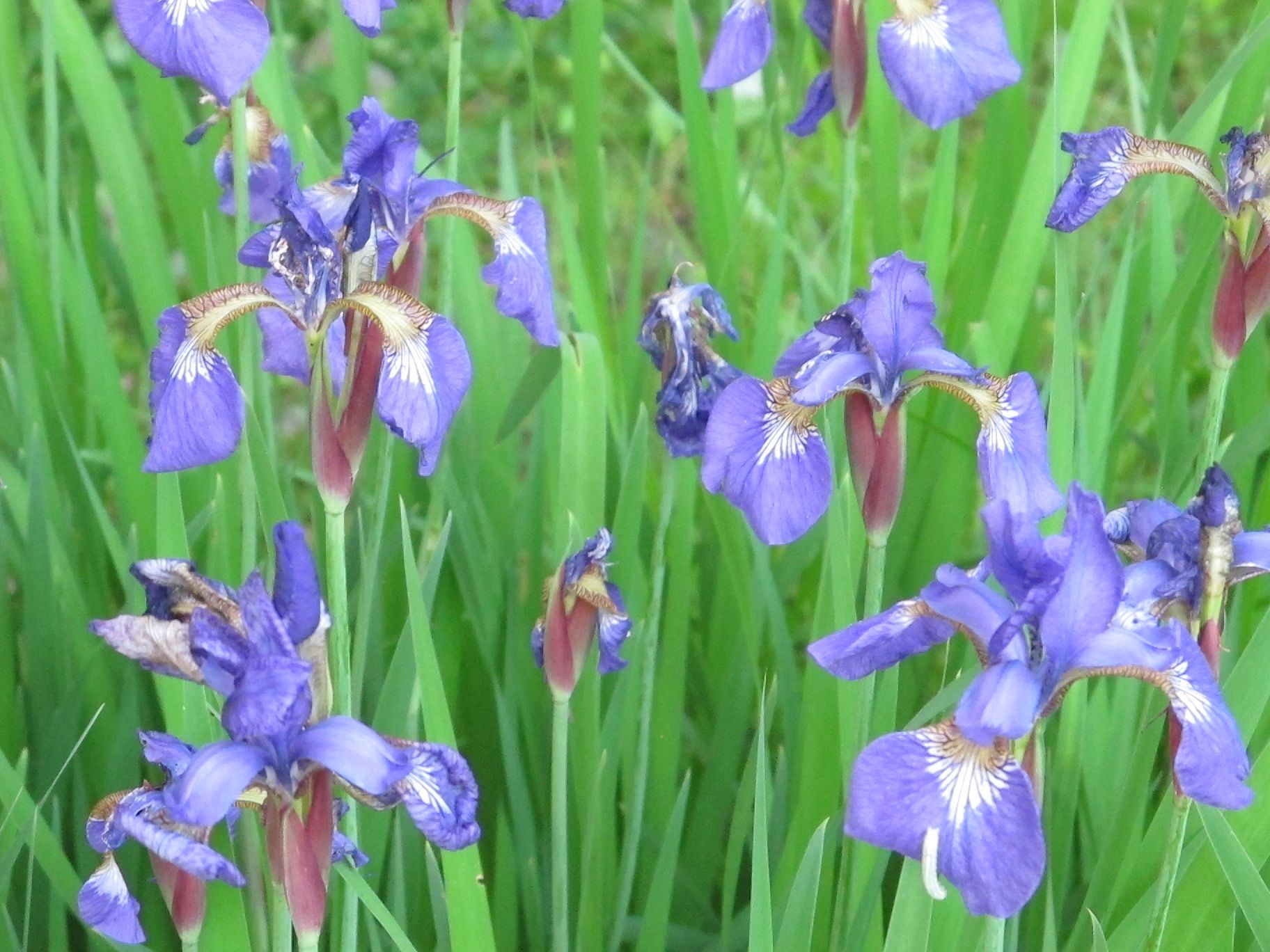
iris

Iris

In the interest of good diplomatic relations and international connectivity, I thought I’d take a page from my friend Heather’s blog and do a color-themed post.

The truth is, I’d been meaning to capture all the spring pinks and blues in my yard before they disappear. I almost missed my chance because a heat wave this week has wilted many of them. So I rushed through the yard last evening, clicking away.

Does anyone else remember Polish director Krzysztof Kieślowski’s “Three Colors” trilogy? It came out in the early 1990’s and at the time, “Bleu” was my favorite. As it turns out, bleu in all its variations is my favorite garden color, but pink is nice too.

false indigo

False indigo

Columbine

Columbine

Sadly, this Little Miss Kim lilac has lost all her color. Before her flowers opened, they were the bright color of Welch’s grape jelly. But what you can’t see here — or smell — unfortunately, is her fragrance which filled the yard yesterday morning after the heat hurried up her blooms.

Miss Kim2

Columbine2

More columbine

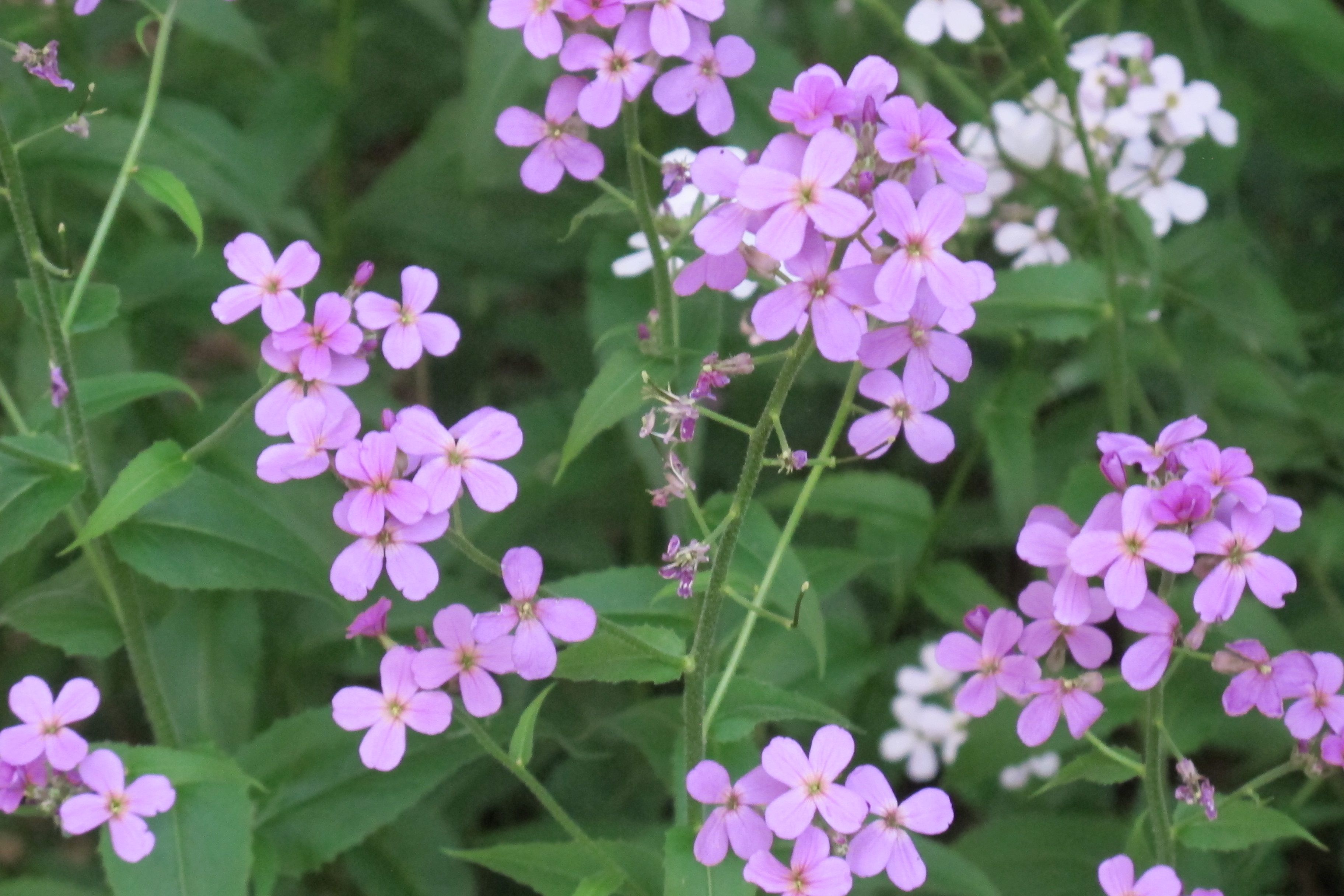
These geraniums grow wild in the woods behind my house. They are welcome “volunteers” in my garden. Even when the flowers are gone, I love the shape of their leaves.

wild geraniums

Wild geraniums

Ditto this wild flox.

wild flox

Wild flox

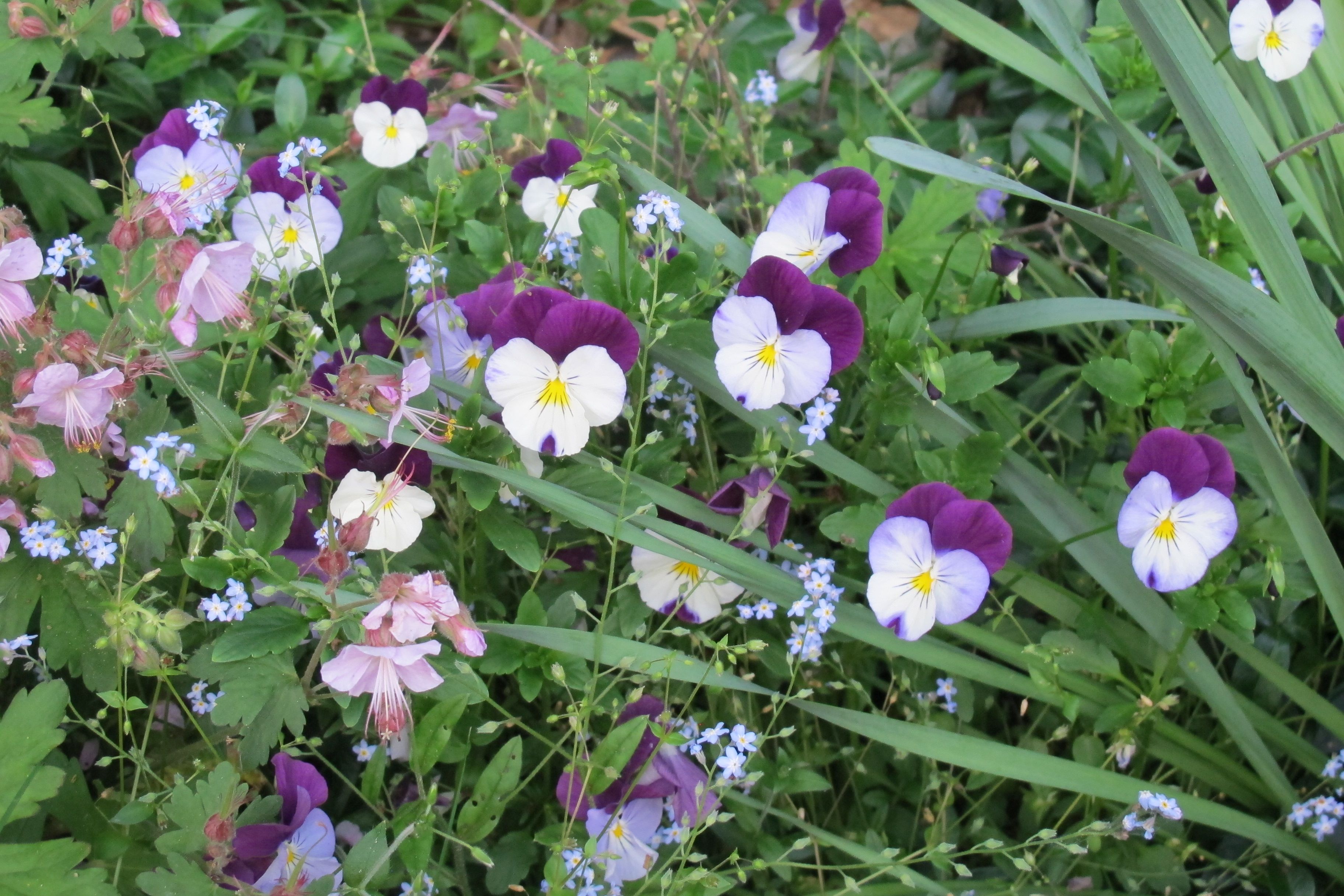
And these pansies ….. I planted them by Boots’s grave last fall and, surprisingly, they came back after the winter’s cold and snow. It feels as if Boots is giving us a little wave. Pats to you, dear Boots.

pansies for Boots

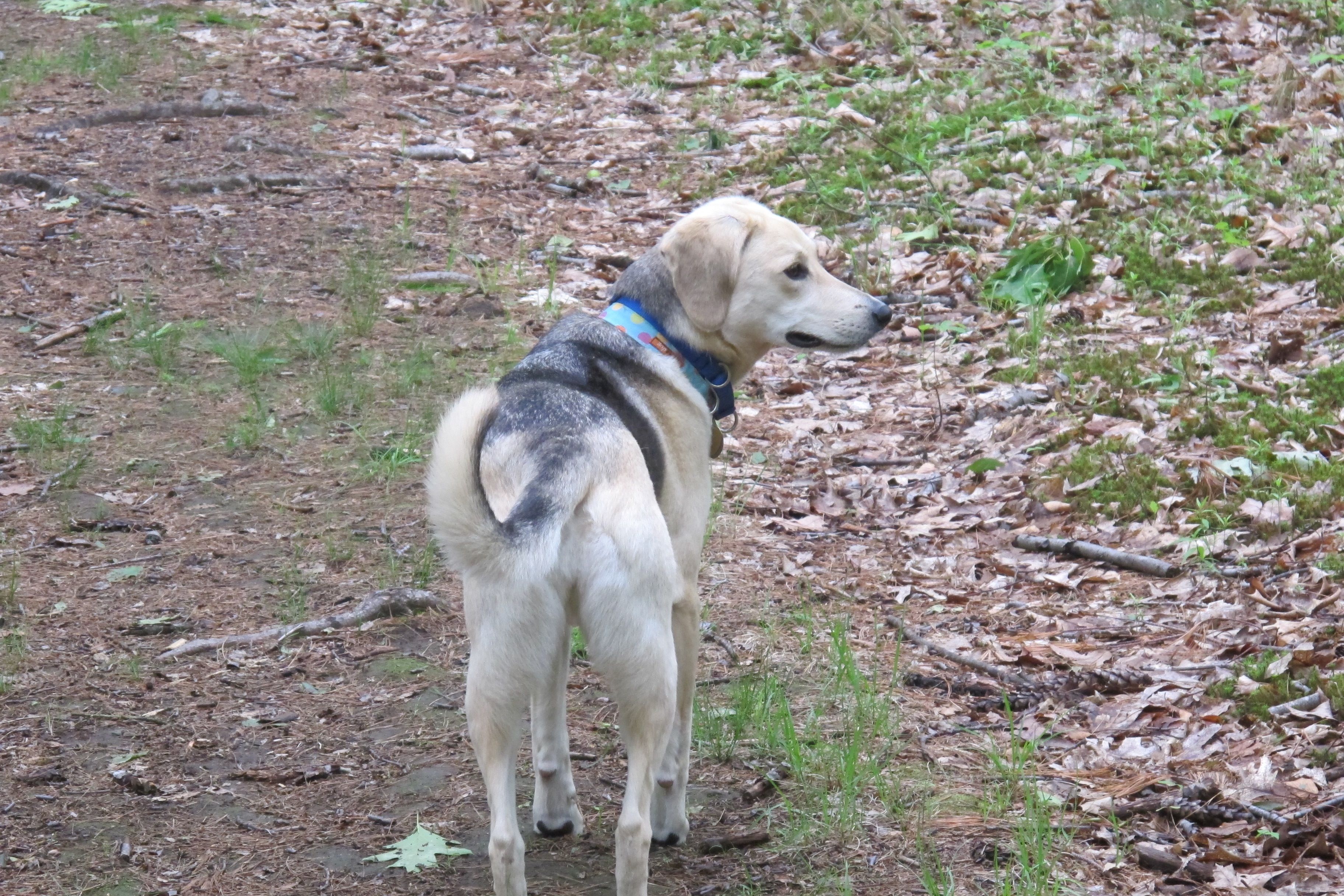
And speaking of beloved pets, and in keeping with today’s theme, isn’t Karina’s polka dot collar just the thing for spring? (Click on the photo for a closer look.)

polka dots

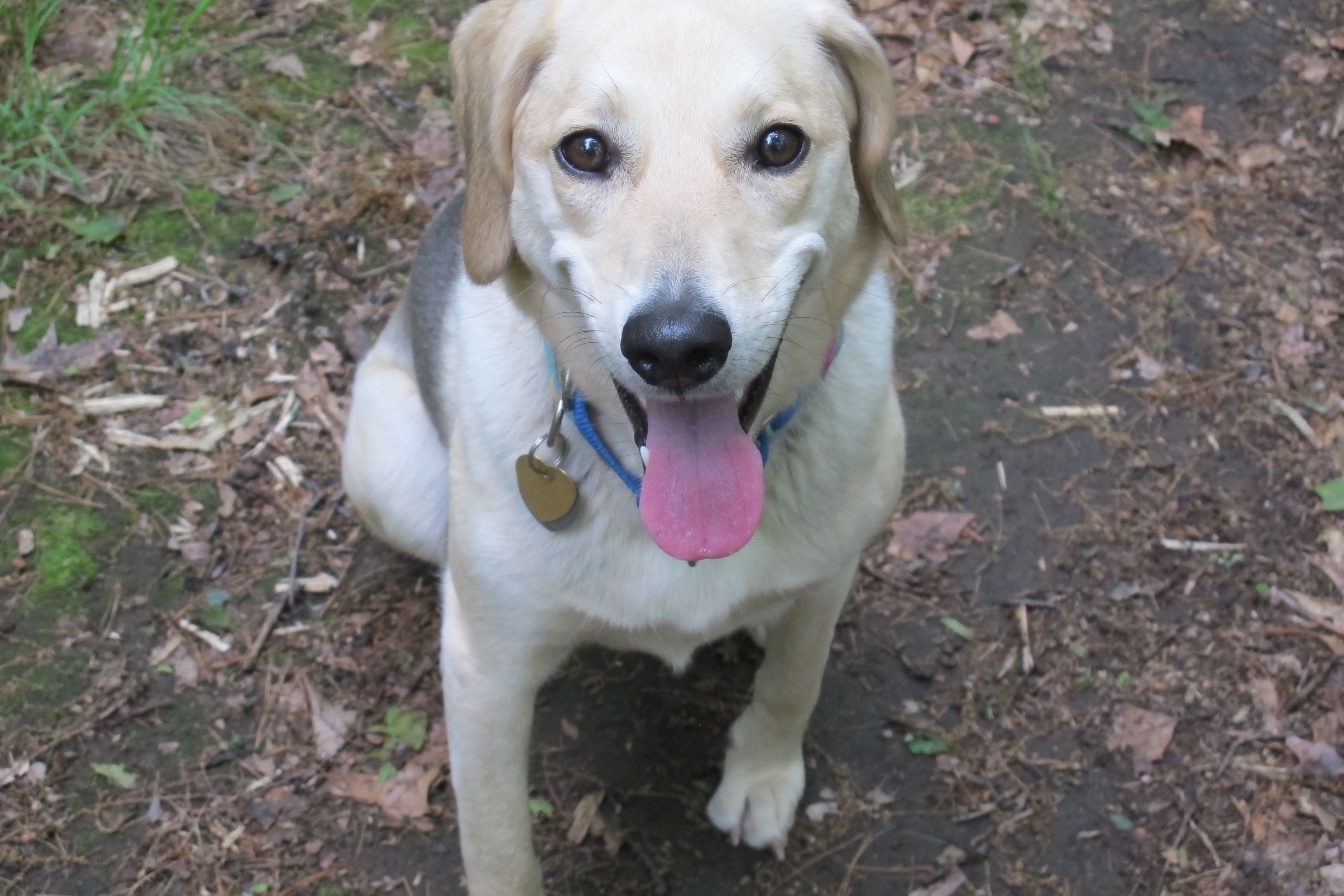
And, of course, like some of the prettiest flowers, she has a very pink tongue.

pink tongue

Travel Lessons

Tags

, , , , ,

ruins with sunspots

The last few mornings I have reluctantly pulled myself from a dreamy, pleasant sleep. It’s not so much the dreams that I want to hold onto, but the peaceful, satisfied feelings they leave behind.

a sign

Maybe they are my way of remembering Morocco. For almost two weeks I was blissfully free of my usual, and (fortunately) mostly mundane worries. Day followed day, each unique and memorable in its own way, allowing me to use my brain and senses in ways I rarely do at home.

0-view from above

I started keeping lists of words in the local Berber dialect, along with lists of names. When people told me their name, they often told me what it meant. Karim, the name given my son, for example, means generous.

vocab list

Two different Moroccan cooks showed me that you can make delicious food with just a bowl, one simple knife, the right ingredients, and two strong hands. No measuring cups or fancy appliances required.

couscous

Couscous

daily bread

Daily bread 

By the way, in case you are wondering, I have several photos and videos of these cooks in action, but I can’t share them here. That’s another thing I learned. Putting your image online is considered shameful for Moroccan women — it is interpreted as showing yourself in a way that is not appropriate.

Moroccans grow a lot of their own food and they even know how to farm in the desert.

Young date palms

Young date palms

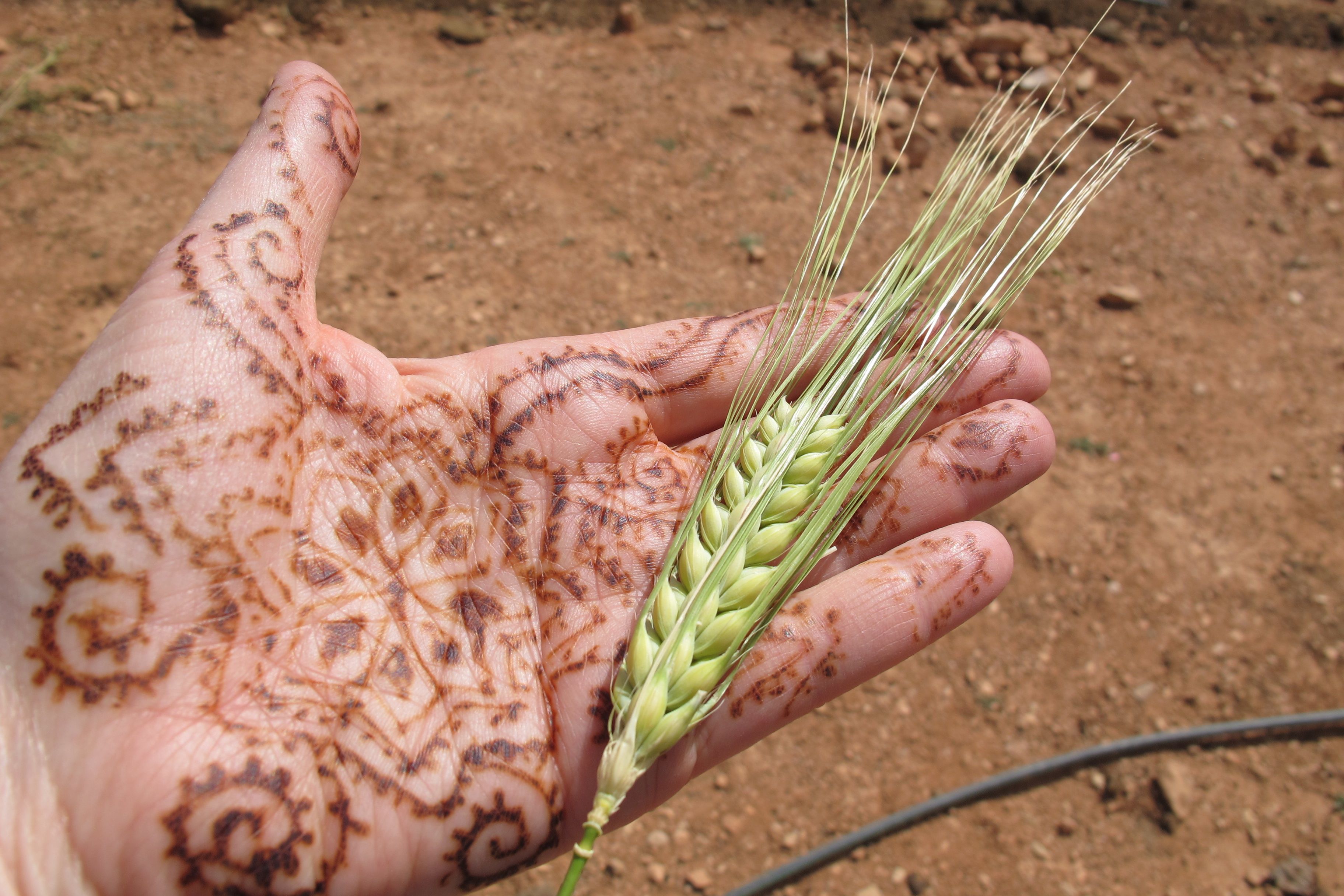
Desert wheat

Desert wheat

hand-wheat close up

As we were driving over the Atlas Mountains at the beginning of our long journey home, Paul turned to me, and said, “Wherever we decide to go next, I want to have a reason for going there. There has to be something specific we want to see or do.”

I knew exactly what he meant. Travel will never be the same again. We will no longer be content to just visit a country’s museums, stroll along its streets, or loiter in its cafes without some other goal in mind. Whether our objective is to learn a new language, take a cooking class, or understand a specific event, we won’t be satisfied to simply scratch the surface.

If Morocco taught us anything, it’s that finding common ground with people from other lands and cultures, no matter how insurmountable the language barrier may seem, is worth the effort. We will carry Morocco’s people in our hearts always, just as we will forever be grateful to the one who brought us there.

Karime

Beyond the Hijab: Woman to Woman in Morocco

Tags

, , , , , ,

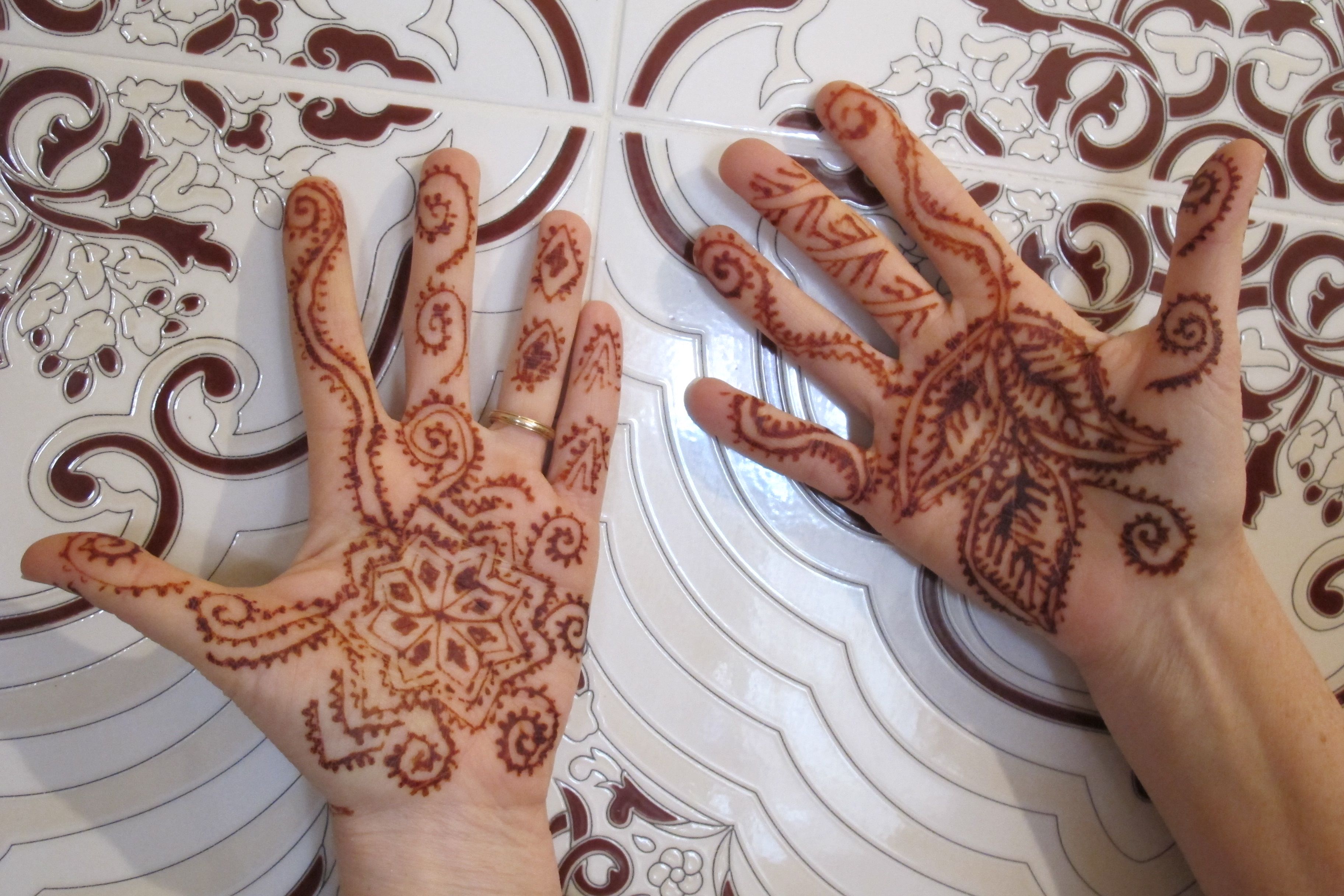
Henna tattoos back

Morocco was never on my travel wish list. New Zealand, Iceland, and Brazil were all possibilities. But a visit to a predominately Muslim, developing country in northern Africa? I hadn’t even considered it. All of that changed, however, when my 26-year-old son Karsten joined the Peace Corps.

The fact that he was assigned to work there not only put Morocco squarely on my radar, it allowed me to transcend the typical tourist experience and literally break bread with ordinary Moroccans—people whose language, dress, and culture are very different from my own.

I’ve been home just a couple of weeks, and I’m still sifting through the many sights, sounds, and tastes of my trip, yet there’s one aspect that stands out—the connection I made with the women I met there.

My first introduction to a Moroccan woman was, oddly enough, during a video chat. My husband and I were conversing with our son shortly after he had arrived in Sefrou for training, when he invited his host mother, Fatima, to join us. At this point, Fatima had already nursed our son through one illness and had given him his Moroccan name, Karim.

In what remained of my high school French, I tried to thank her for taking such good care of “mon fils.” While my French vocabulary failed me, my facial expression and our immediate connection did not. “Avec plaisir,” Fatima replied with a smile that blew through the miles and burst through the screen like a warm breeze.

A year later, Karsten now lives in Tinghir, a city located south of the High Atlas Mountains, where he teaches life skills, like typing and AIDS awareness, to a co-ed group of local teens. During the week my husband and I visited him this past April, he and a Moroccan counterpart organized games and exercises to help his students develop confidence and communication skills.

“There is definitely a feeling of sisterhood among the women here,” he told me one morning as we walked through town.

I felt the truth of that observation almost immediately. On the first full day after we arrived in Tinghir, I found myself sitting upstairs from Karsten’s place in his landlord’s apartment, surrounded by a group of women wearing the traditional hijab (head scarf) and ankle-length skirts or dresses.

Laila, who speaks a little French, was decorating my hands with henna. Rachida, who had her young daughter in tow, spoke to me in English. The rest, friends and relatives of my son’s landlady, chattered away in the local Berber dialect.

Without my son present to translate, I did a lot of nodding and smiling. But Rachida clearly wanted more than just small talk.

“What do you think about the head scarf?” she asked me. (Most of the mature women I encountered in Morocco wore the traditional head scarf and a long dress or skirt — at least out in public —but not everyone does.) I told her that I thought it was fine if a woman chooses to wear it. She nodded her head and said that the “choice” was sometimes dictated by a strict father or husband. I had the feeling that Rachida was talking about herself. She clearly regretted not continuing her education. Once they are married, she told me, “Moroccan women are responsible for everything.” It was a lament I was to hear from other women as well.

I felt the full force of Rachida’s assertion a few days later when my husband, Karsten, three of his male friends, and I drove through a nearby town, passing cafes overflowing with male customers, while the few visible women were on the road, laden with babies, groceries, or bundles of alfalfa they carried home on their backs to feed the family donkey.

On that day, my femaleness, even more than my Western appearance made me self-conscious. I felt truly alien, oppressed by the difference between this place I was visiting and the place I call home.

Yet those differences seemed to dissipate whenever I was with a Moroccan woman; even if my daily outfit of jeans and a long-sleeved T shirt clashed with her long dress and hijab, even if we couldn’t communicate through talk, her friendliness, interest, and generosity fostered a feeling of camaraderie that coursed through our time together.

Where did this feeling of sisterhood come from? Part of it, I’m sure, had to do with the high esteem these women have for my son and the respect he shows them. In fact, one conversation I overheard between Peace Corps volunteers during an earlier leg of our trip was focused on ways they could teach their young male charges to treat girls with more respect.

Moroccans are naturally hospitable, and making strangers feel welcome is an ingrained part of their culture. Family is very important there as well, so having “Karim’s mama and baba” in their home was considered something of an honor. Beyond that—and I don’t know this for sure—I believe that our mutual femaleness in a male-dominated society triggered the sense of sisterhood that Karsten observed, and that I experienced.

For example, one morning, Aisha, Karsten’s landlady, showed me how to make the flat, round loaves of bread that are served with almost every meal. As she demonstrated her muscular kneading technique, rotated loaves of bread in and out of the oven, and cut up vegetables for a tagine—all accomplished with her 2-month old daughter strapped to her back—we also managed to commiserate, in our mutually limited French, about the challenges of nursing a newborn throughout the night.

Surprisingly, this feeling of oneness wasn’t just limited to encounters with adult women. The hugs and kisses I received from the 12-year-old daughter of Karsten’s Tinghir host family made me feel like a revered and much-loved aunt. And then there was our 10-mile trek to Todra Gorge with Karsten’s Leadership Club.

The walk, which wound through the local oasis and up a dusty road to the gorge, took about four hours. While some of the boys reached out to me, I spent most of the hike surrounded by teenage girls who were determined to teach me a few words of Berber. By the time we reached the gorge, I had a vocabulary list. By the end of the day, I had been given cookies and candy, offered the use of a coat and some lip gloss, and had acquired several new Facebook friends.

I was lucky enough to see these girls on two more occasions, when we accompanied Karsten to his classes at the cultural center. I will never forget Hayat, who was both patient and persistent when teaching me how to introduce myself and ask others their name in her native language. And I will cherish my conversations with Kaoutââr, who will soon be leaving for the university to study medicine and whose nose is constantly in her schoolbooks. Nor will I forget the feisty Soukaina or the other Hayat, a tall, lanky athlete in a headscarf who can out-throw, out-catch, and out-run all the boys when participating in my son’s American football club.

Several times during our visit, Karsten mentioned the Peace Corps mission to help “promote better understanding of other people on the part of Americans.” I’d say they are achieving that mission.

The next time I look at a photograph of a Moroccan woman, I won’t see a stranger, I’ll see a friend.

Henna tattoos palms

 This post was also published today on Women’s Voices for Change.
Mid-day at the Oasis*

Tags

, , , ,

1-featurephoto

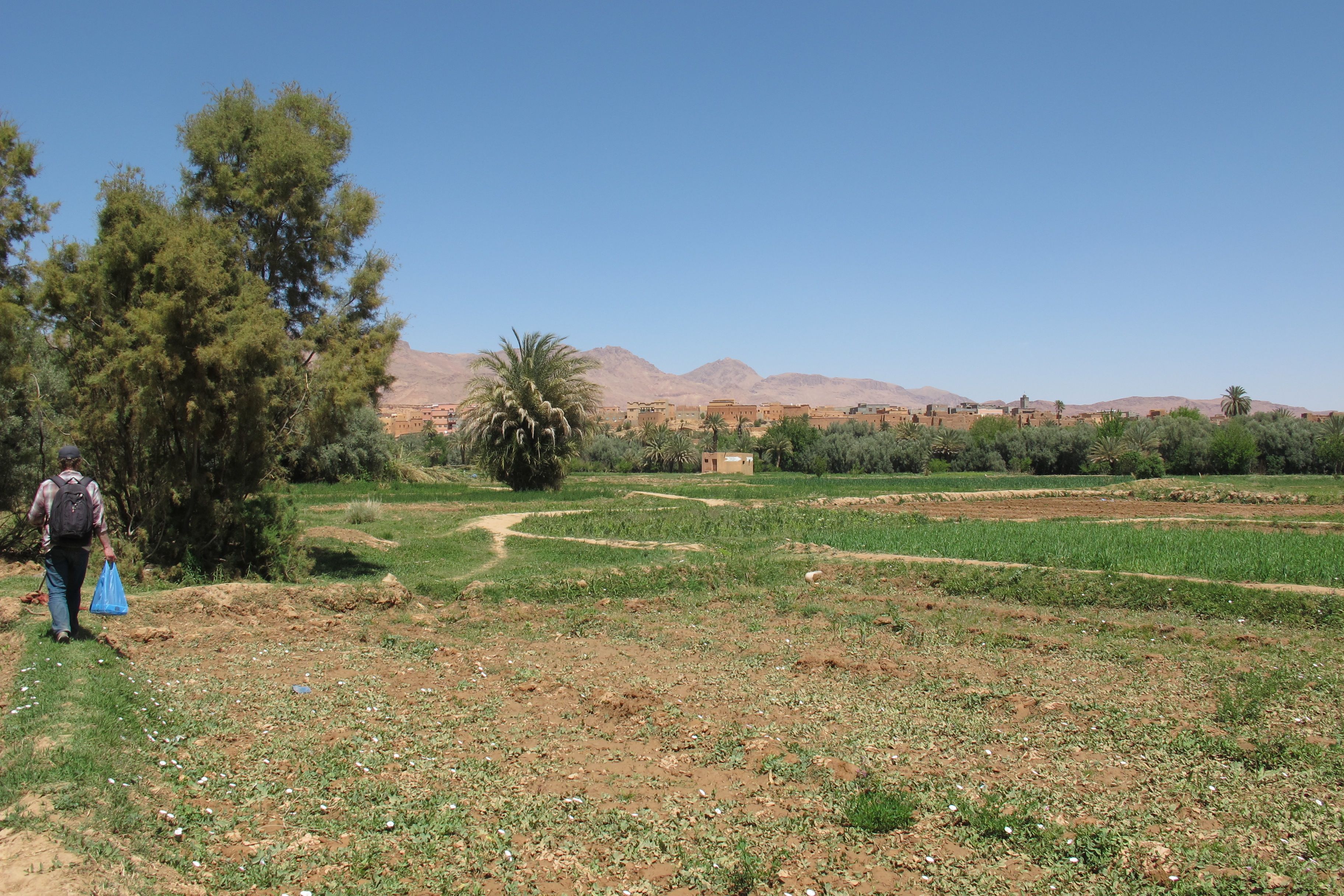
My son’s home in Morocco is right on the edge of an oasis. You only have to walk out his front door and turn right to step into an amazing landscape.

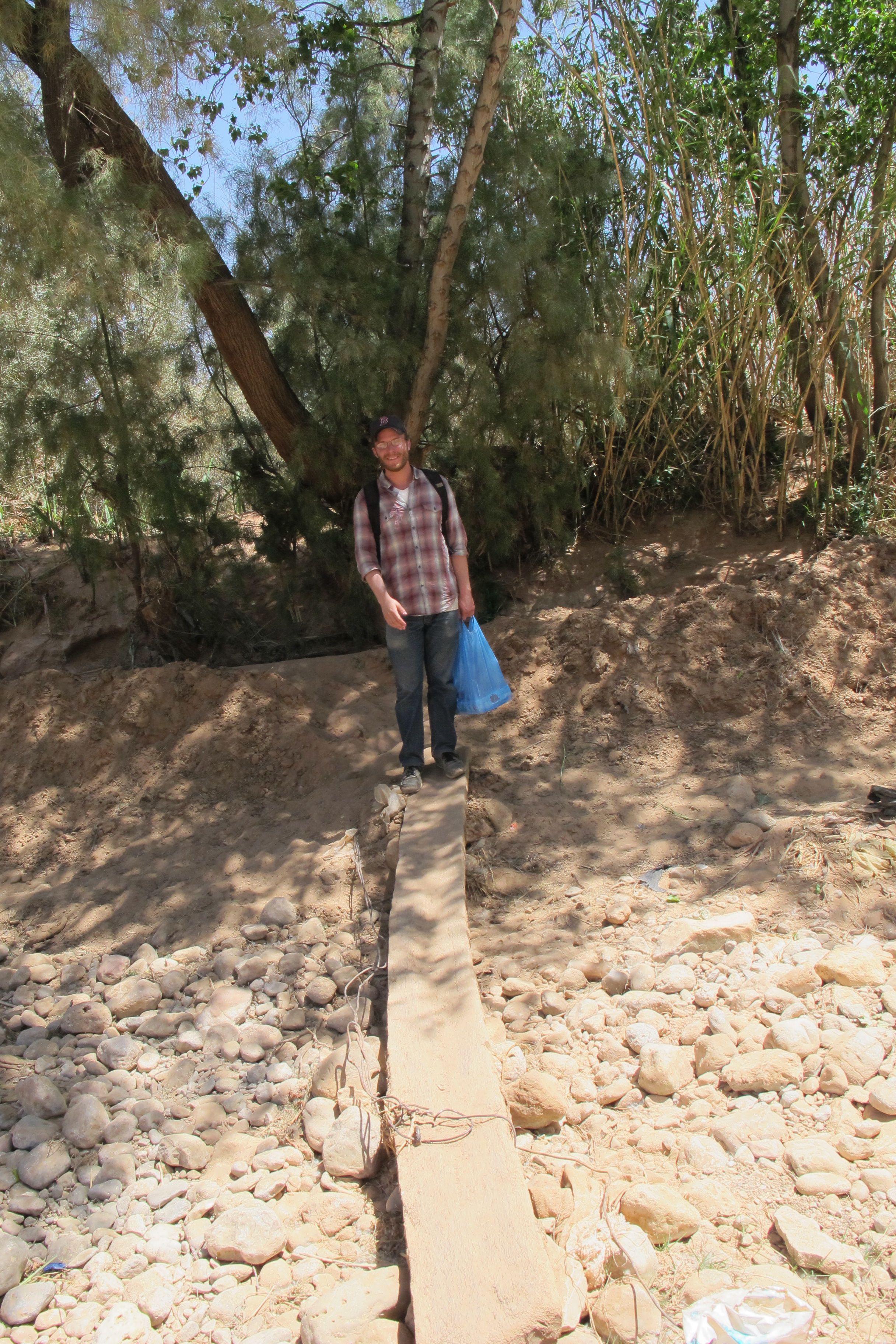
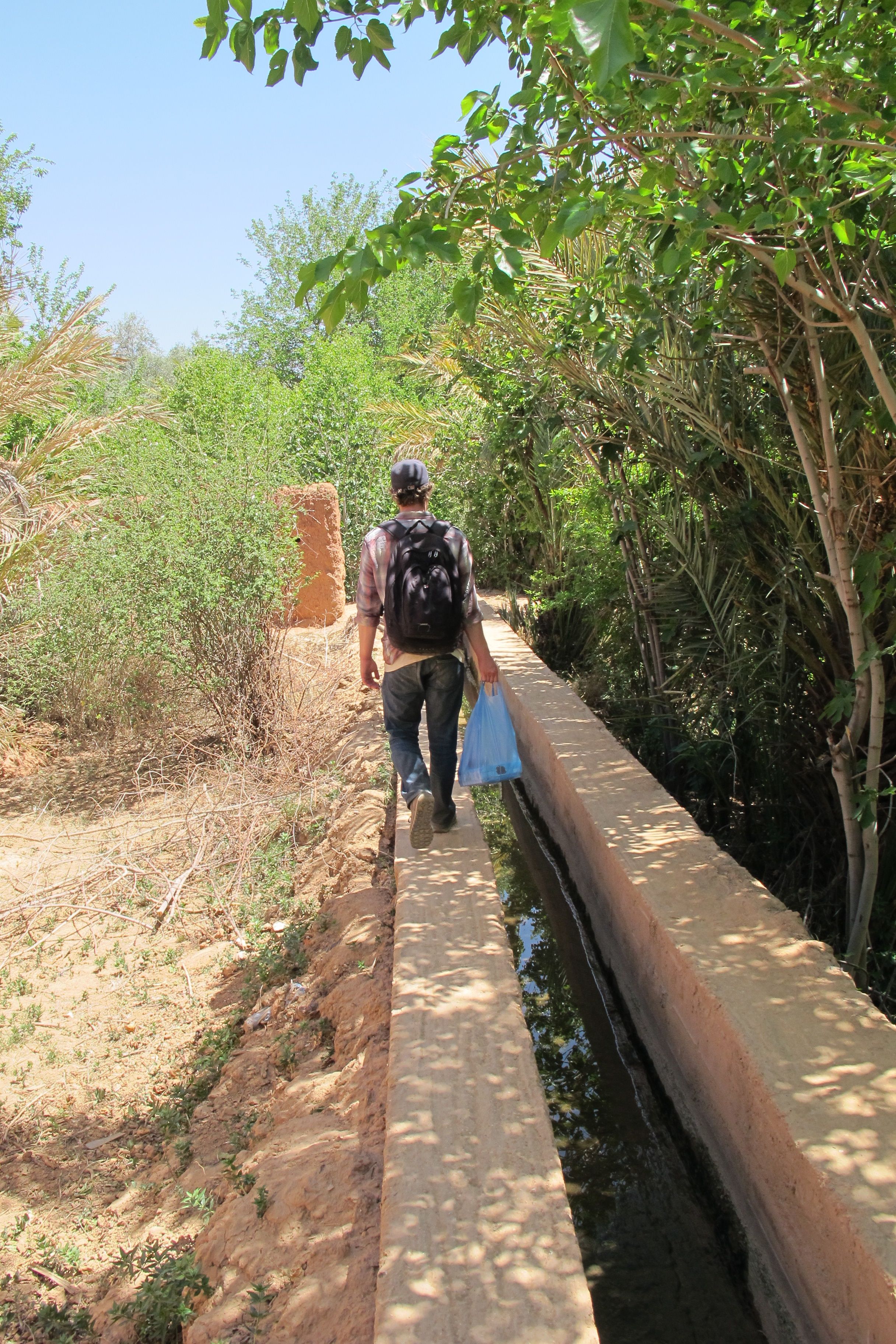
Karsten walks through the oasis on a daily basis. On this day, we were going to a friend’s house for lunch. We walked across a streambed, alongside an irrigation trough, and underneath a grapevine. Paul was a bit under the weather, so I had my son to myself that afternoon. After a year of missing him, it was treasured time.

2-acrossoasis 3-Let's go! 4-follow_irrigation 5-undergrapevine

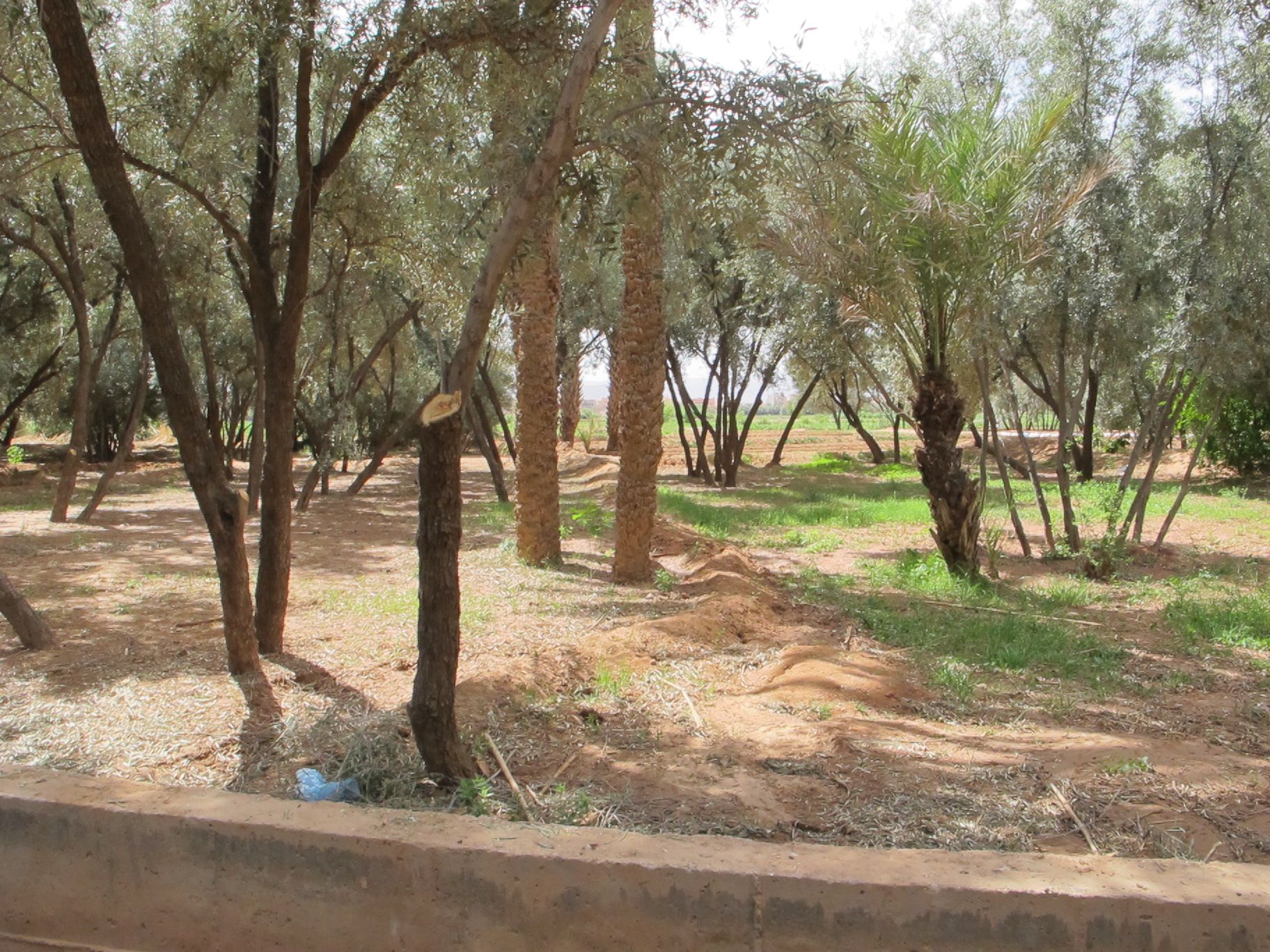
We passed groves of date palms and olive trees.

6-oasis trees

7-olivegrove 8-olive

Like every other meal we were invited to in Morocco, this one included extended family. Our host’s parents, sisters, and nephews all joined us. A shy, but impish 4-year-old giggled as he rolled around on the floor with his djellaba-clad grandfather. After a delicious lunch of cous cous, we went outside and into the family’s walled garden.

wall

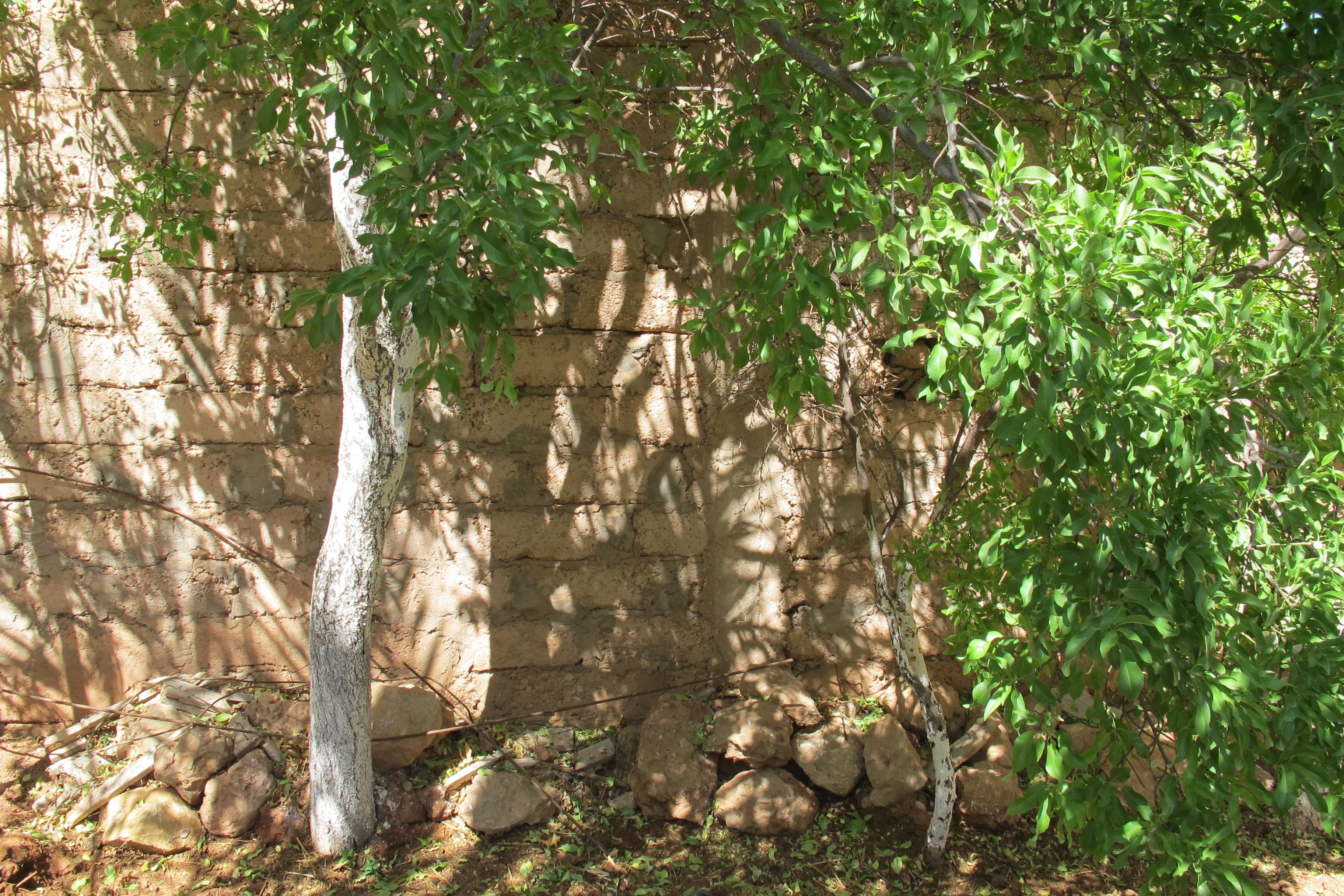
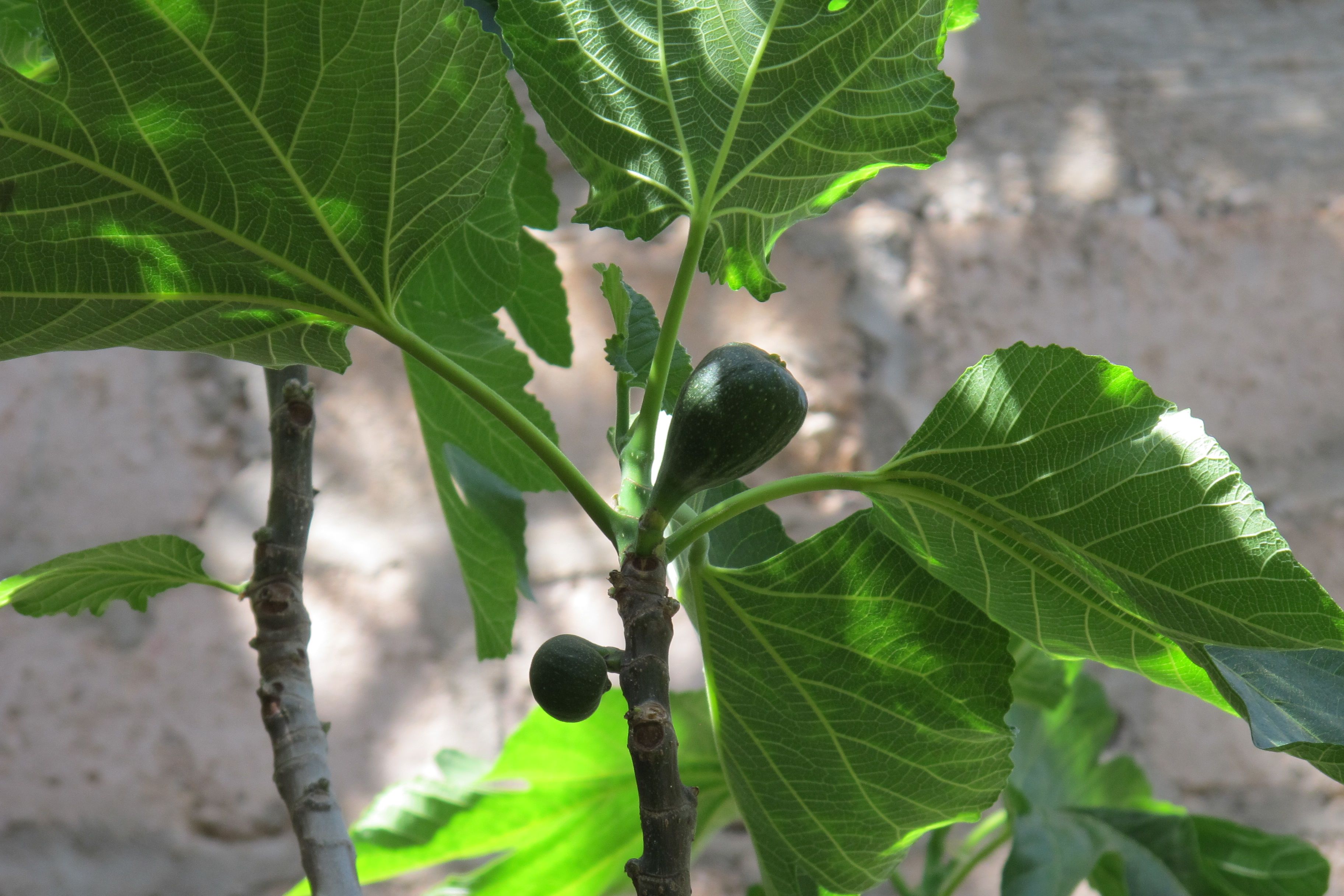
The small figs that go into savory dishes, like cous cous, grow here. (Click on the photos for a closer look.)

ekuran

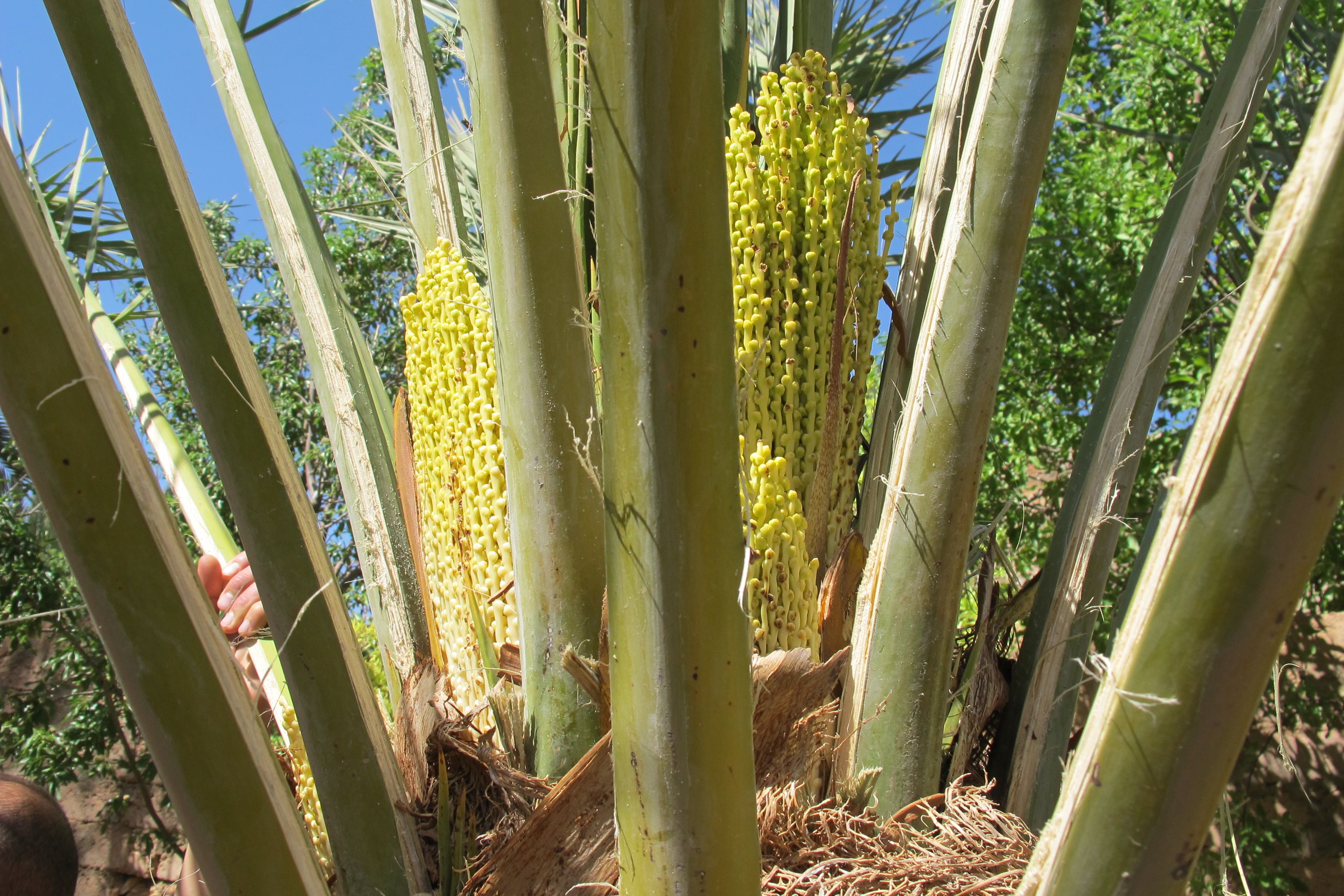
As do dates. In the U.S., dates come separated in a plastic tub. In Morocco, you buy them in boxes and they are still attached to their stems. Until this garden tour, I had no idea what they looked like on the tree. These dates will be ready to pick in a few months.

dates

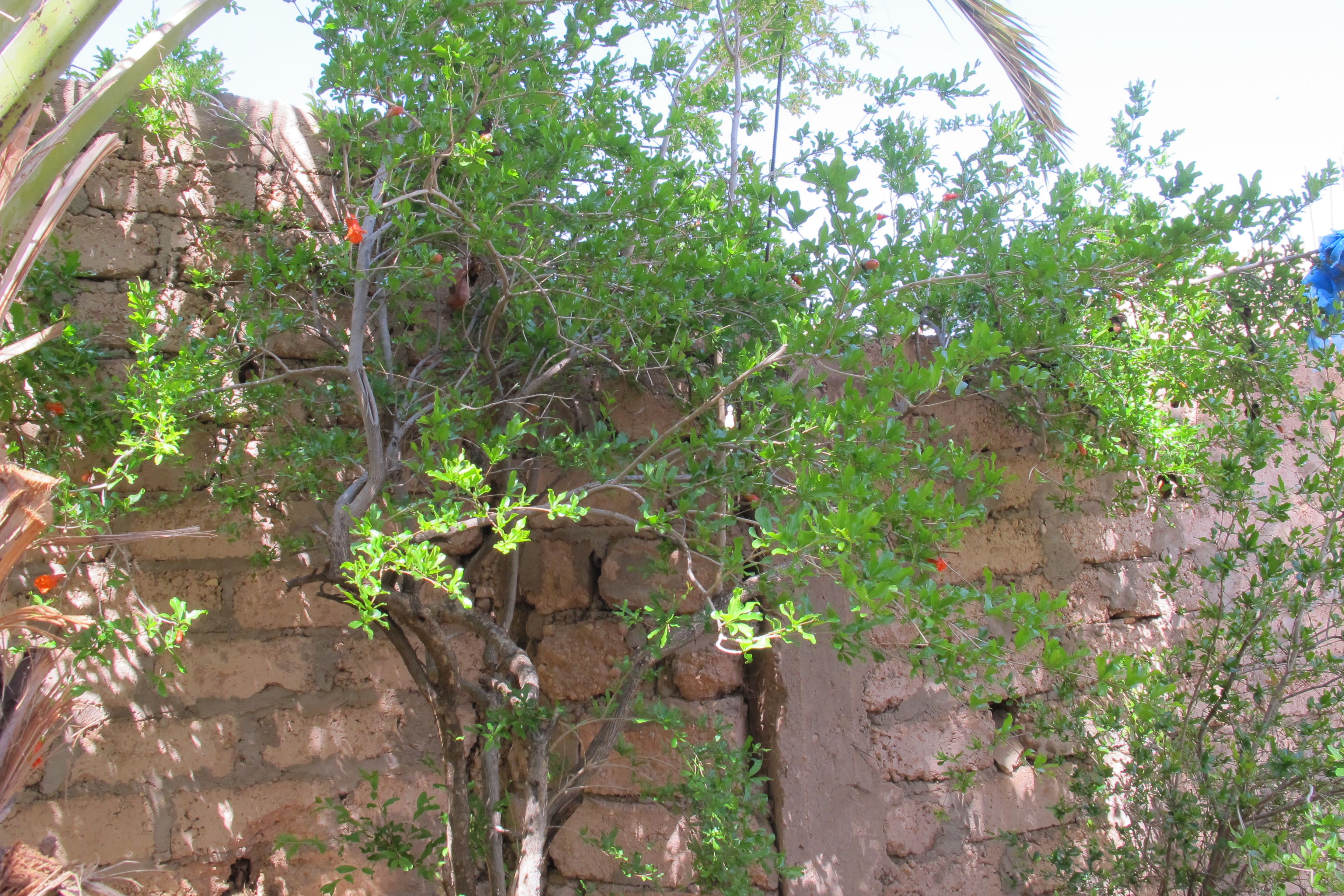
There were almond and pomegranate trees. The red flowers are pomegranate blossoms.

almondtree

pomegranates

At the end of the day, our host and his father walked us back across the oasis and home.

*I couldn’t resist.

Essaouira Blues

Tags

, ,

doorsonside4

It has been a little more than a year since we dropped our son, “Karim,” off at Boston’s Logan Airport where he began his journey to Morocco as a Peace Corps volunteer. While modern technology has kept us well-connected, we yearned to see him in person and experience a slice of his life there.

Our reunion took place in Marrakech, a crazy, bustling place. We walked to the old medina through unmarked streets that were filled with scooters and exhaust-spewing cars — this is a developing country after all. Between the sights, sounds, and smells, and the joy of being with our son again, it was a lot to take in. The camera stayed in Paul’s knapsack.

The next morning, we climbed into our rental car and headed to Essaouira, a beach town. Much less intense than Marrakech, it was a good place to start our journey. Karim has friends there, who are also in the Peace Corps.

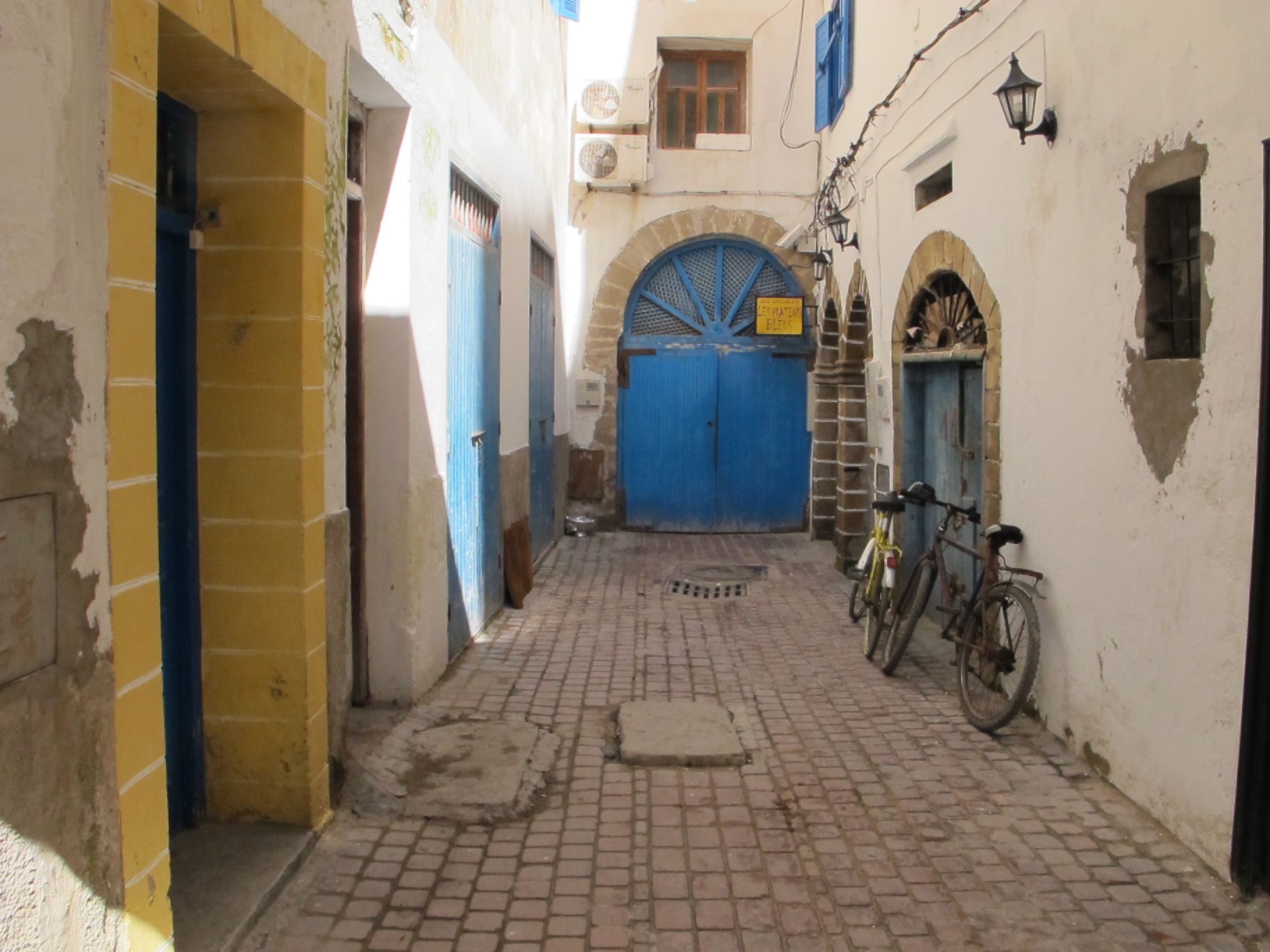
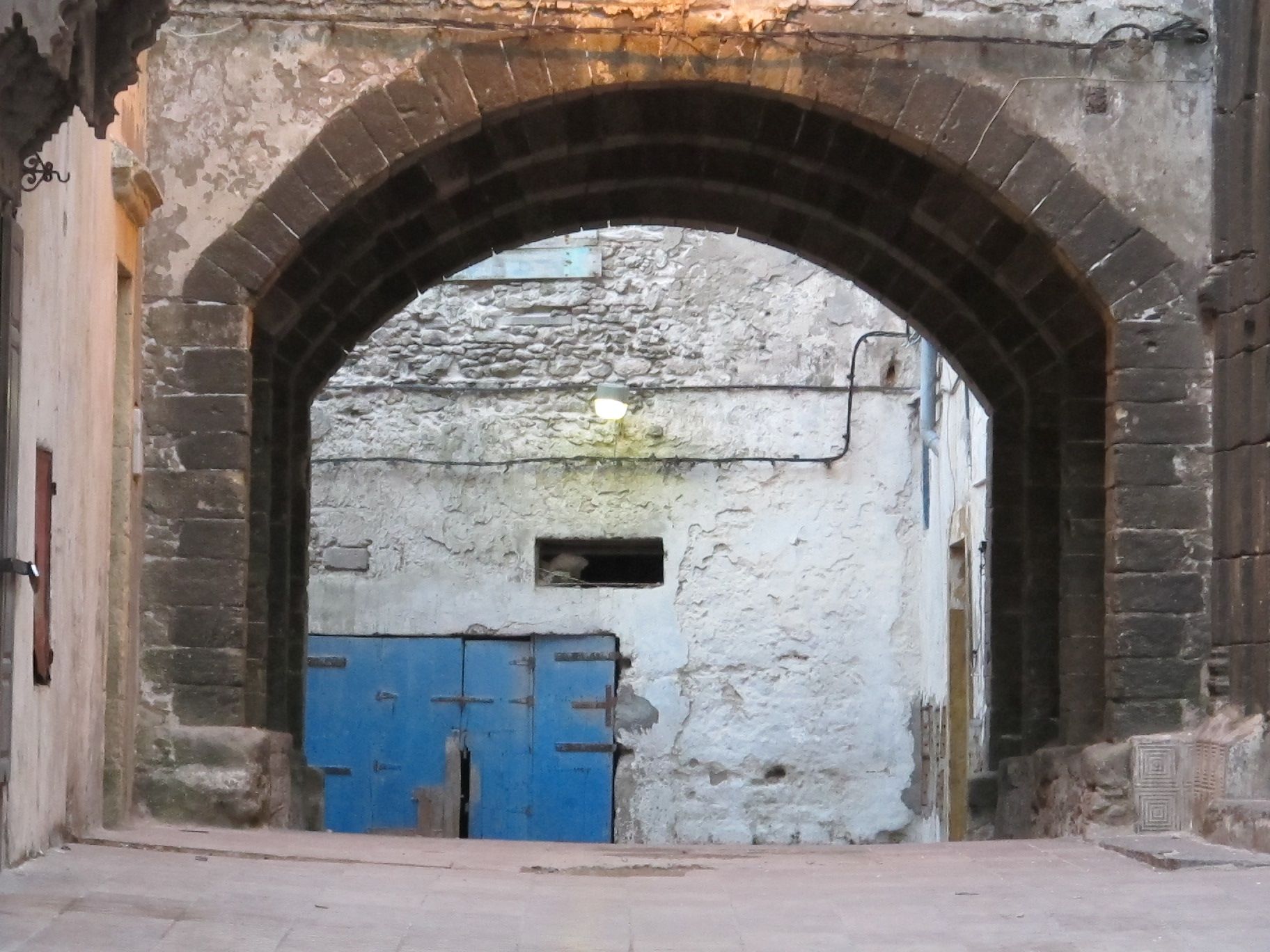
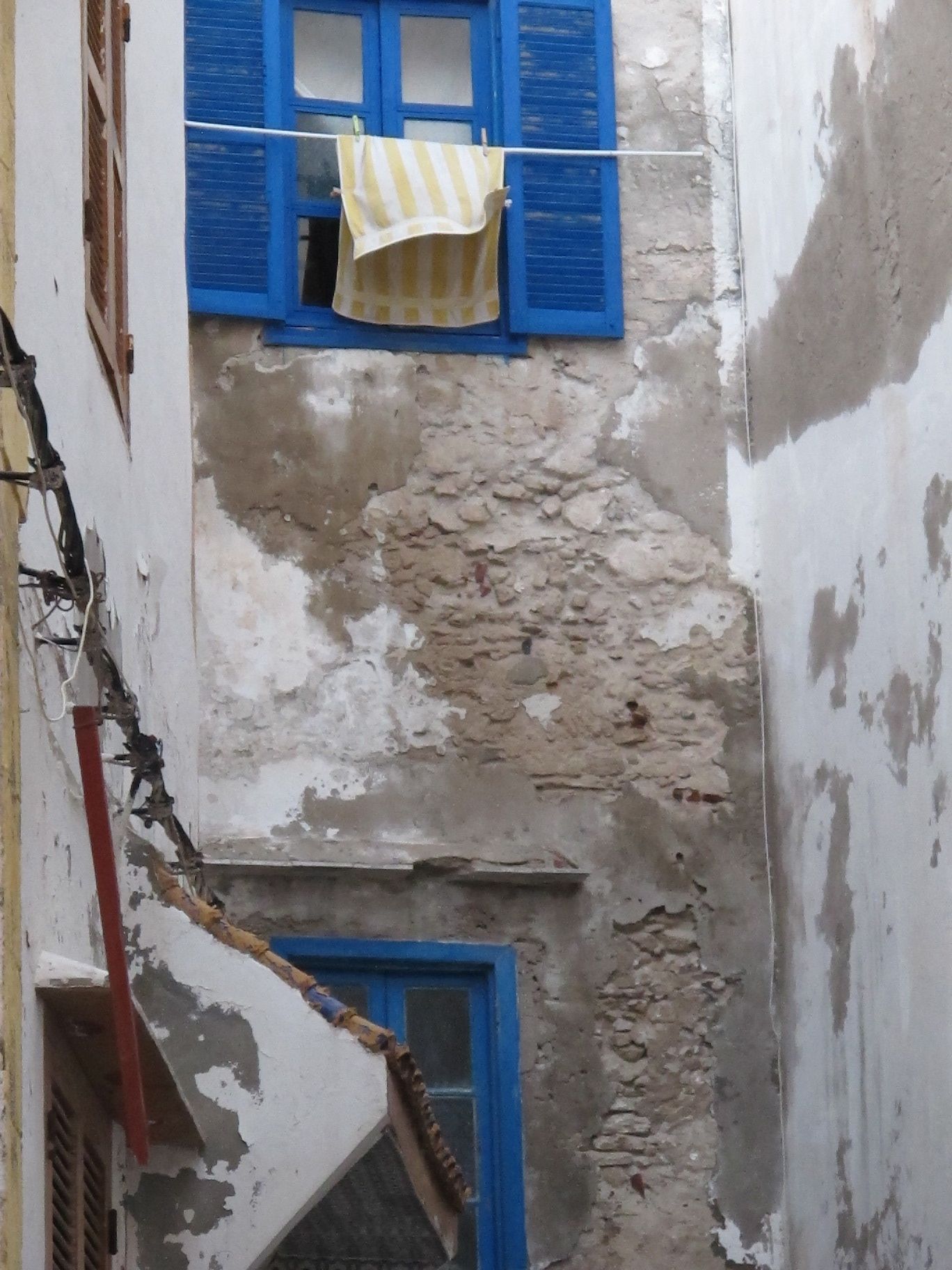
The name of the riad where we stayed, Les Matins Bleus, reflected the town’s color scheme.

LesMatinsBleus1 lesMatinsBleus2

blue door arch3

shutters-towel5

bluewyellow5a

Tourists’ jackets also reflected the decor.bluecoats

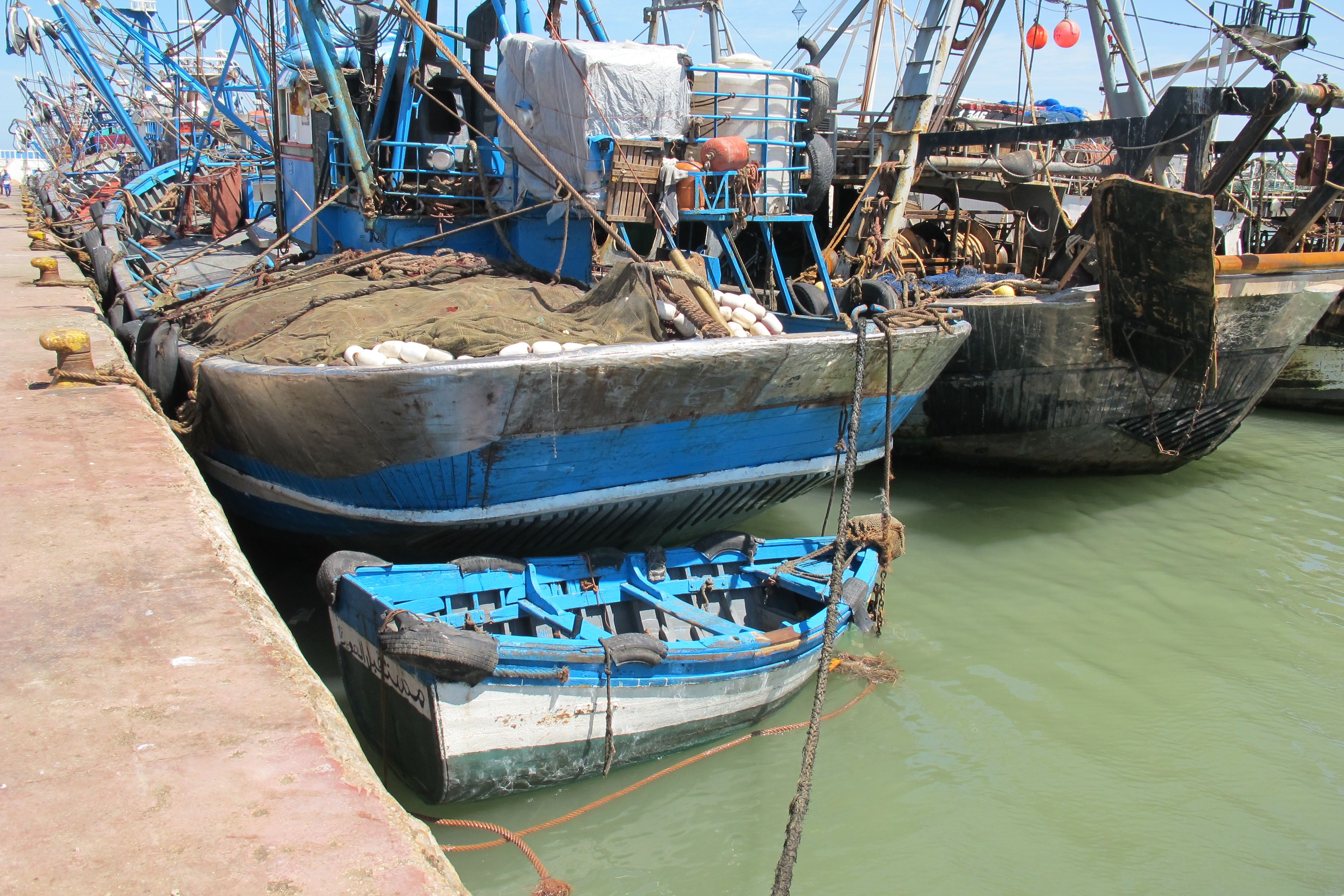
The blue carried to the waterfront, where Paul took over camera duty and captured the fishing boats.

boats0

1boat 2boat

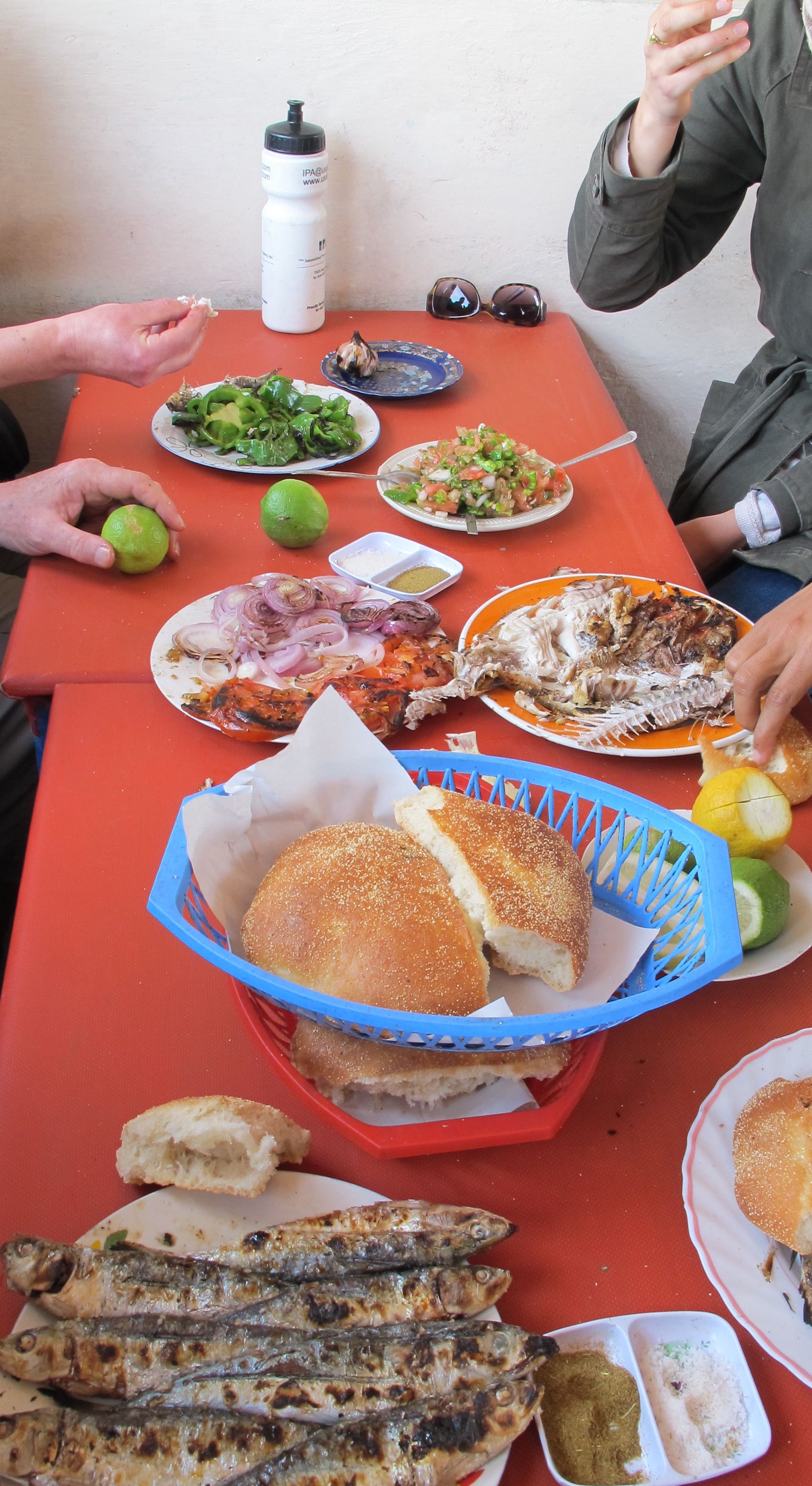
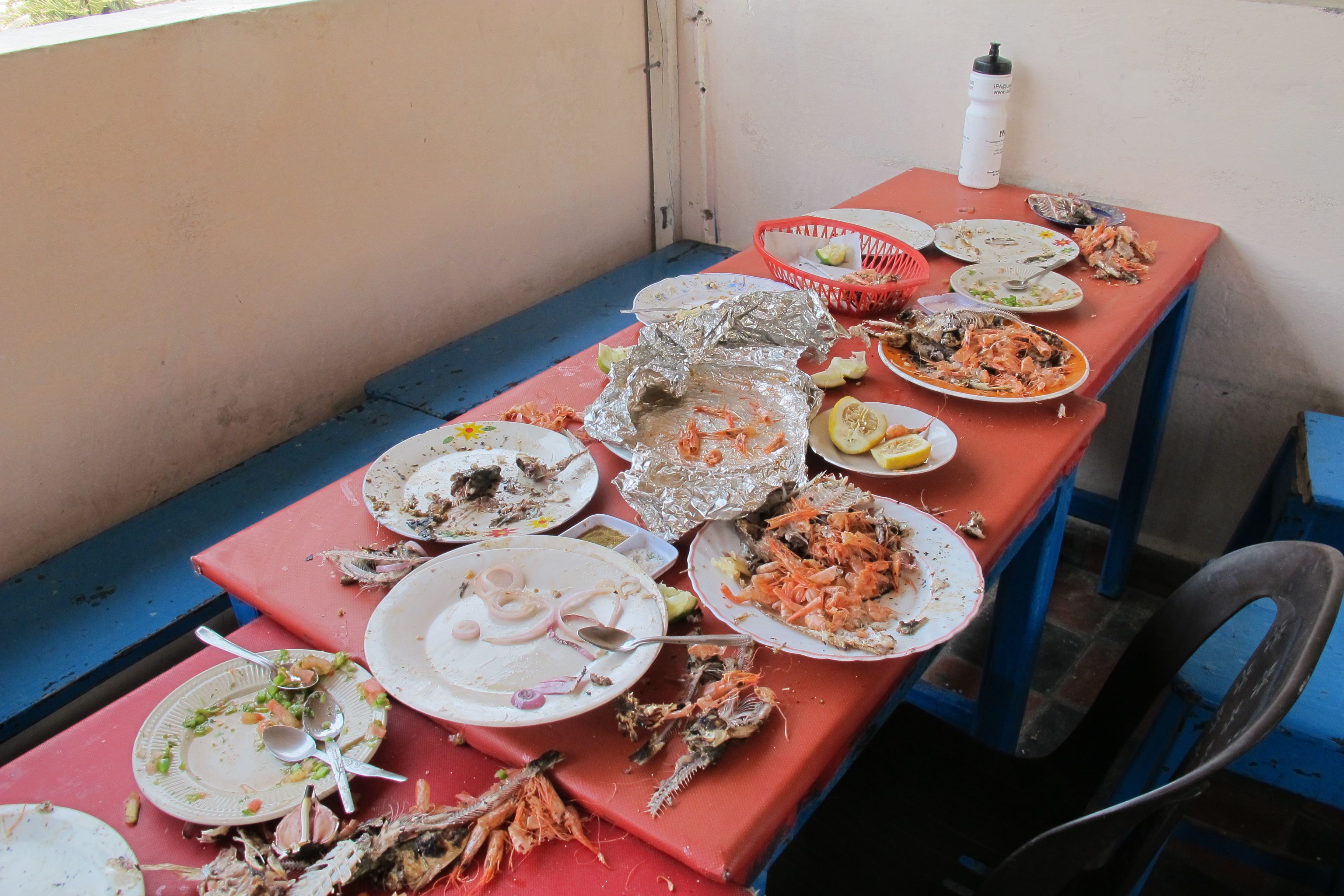
At the docks you can buy fish directly from the fishermen. Then, back in the medina, stop at the market for vegetables, before taking these purchases to a restaurant where they grill your food to perfection and serve it to you with bread – which also functions as your knife, fork, and spoon.

Eating in Morocco is a communal event: not a lot of cutlery or plates required.

fish1 fish2 fish3

The next leg of our trip took us back towards Marrakech and over the Atlas Mountains to my son’s site in Tinghir, where the real adventure began.treegoats1

goats0

Goats grazing in a tree on the road to Essaouira.

“marhba bikom” — Welcome to Morocco

Tags

,

upstairs

It’s a long way from Massachusetts to Morocco, and I’m not just talking about flight hours and time zones. The sounds and sights are a world away from my daily life at home.

As I sit in my son’s apartment typing this, I hear him conversing in Arabic with Abderhamane, his landlord. Earlier this morning I awoke to the eerie sound of the call to prayer reverberating throughout Tinghir, the small city where my son lives and works as a Peace Corps volunteer.

In a little while we will be joining Abderhamane and his family for lunch. In fact, my son’s fantasy of doing a lot of cooking with us while we are here may remain just that as we have similar invitations for almost every day of our visit. Friends, neighbors, and parents of students all want to welcome the “mama and baba” of Karim — the name he was given when he arrived here.

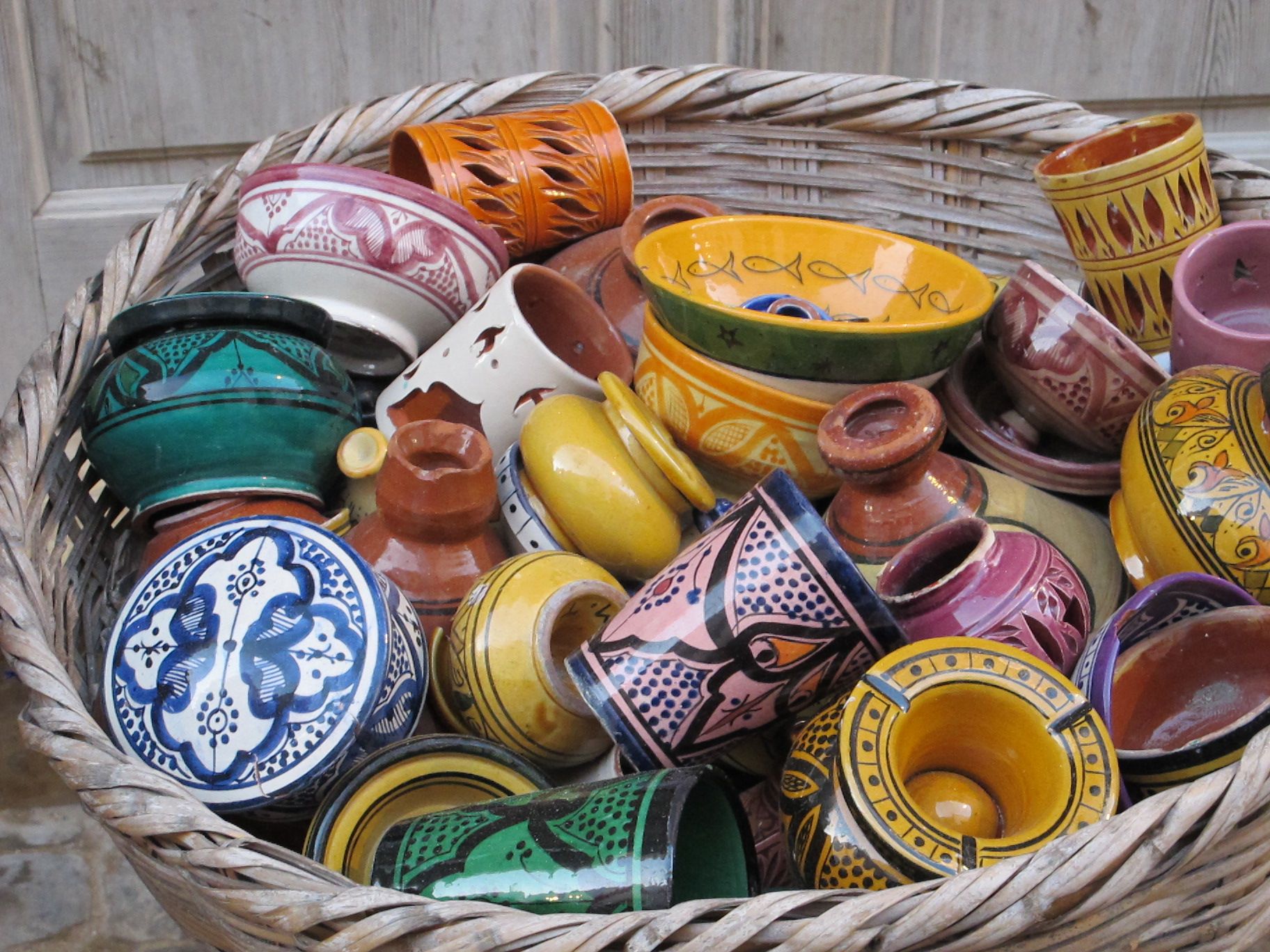
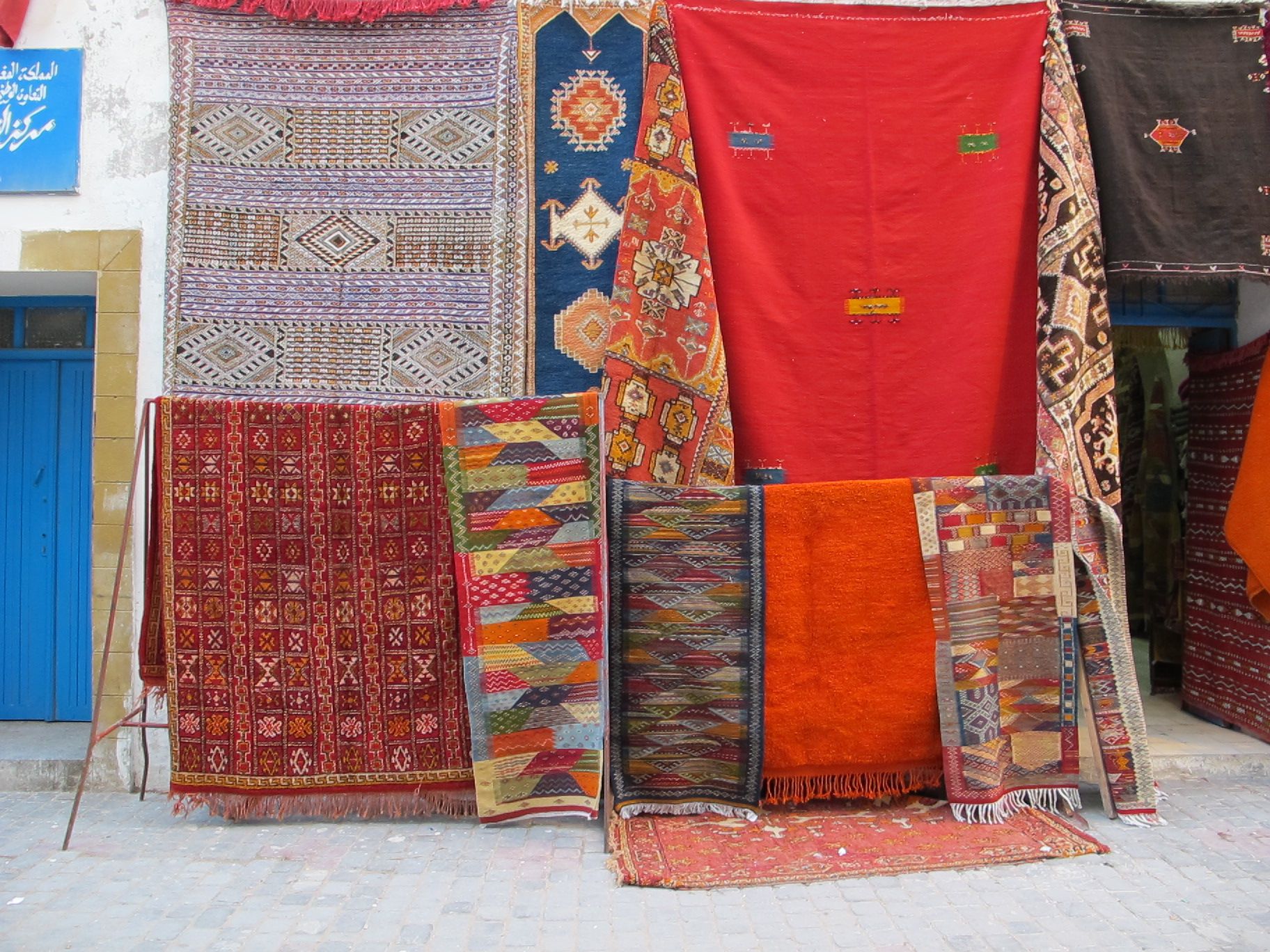
I have loads of photographs to share that show many of the colors and textures you have come to expect from Morocco.

cups

rugs-medina

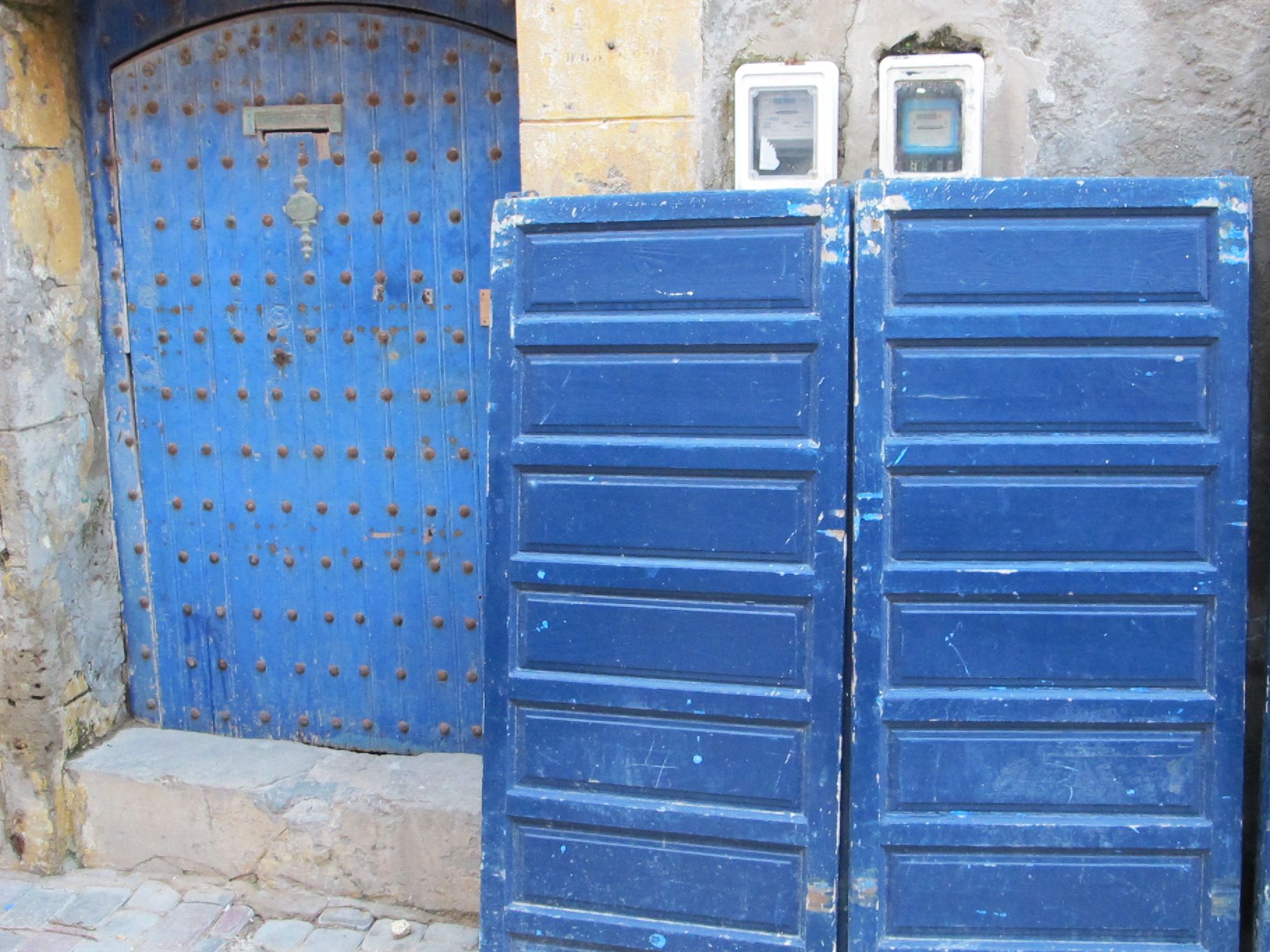
There’s that special shade of blue covering the boats and doorways of Essauoira, a beach town where we spent an amazing two days…

bluedoor-studs

Photo by Paul Syversen

Photo by Paul Syversen

…and that you see every time you look up…

viewfromabove

or down.

pool

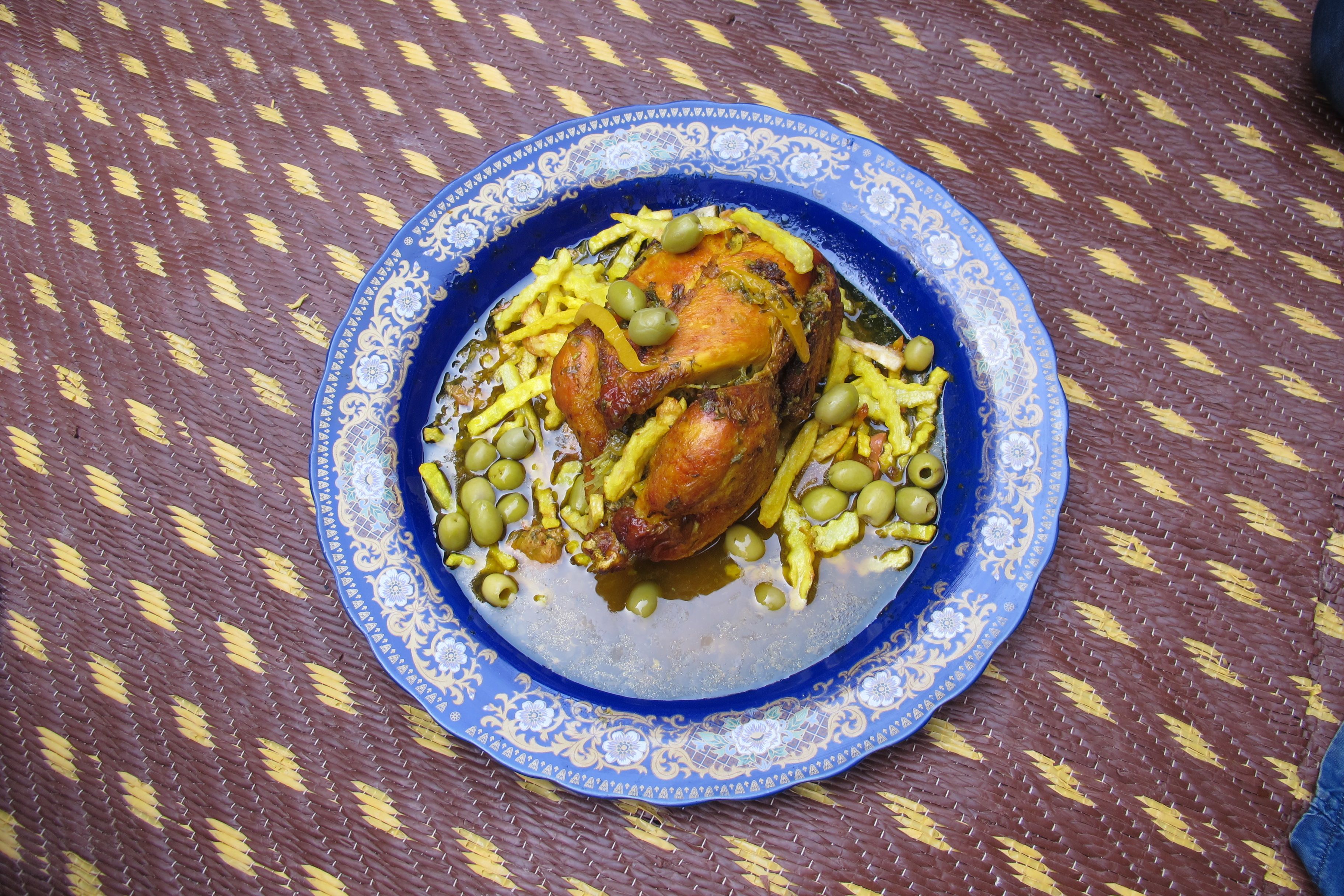
Then there’s the food.

Moroccan picnic

Moroccan picnic.

All of that is easy to share through photographs, but what will be more difficult to describe is the feeling of welcome I have had from all the people we’ve met here.

Because my son has lived here for a year and has many friends, we are meeting the real people of Morocco — not just those who make their living from tourism.

Their warmth and generosity is unlike anything I have experienced anywhere else. I hope to share those experiences — which can’t be summed up by photographs — in future posts.

downstairs

Packing Light

Tags

, , , , ,

windowviewofatrium

When I’m about to embark on something new, different, and a little daunting, I often  remind myself  to “go with the flow,” stay in the present, and loosen my grip on the controls. I imagine myself diving off a cliff and taking a very long ride down into a warm, welcoming sea.

Putting away my expectations, hopes, and fears and just taking the new adventure one step at a time allows me to release the burdensome stones that tend to accumulate during everyday life.

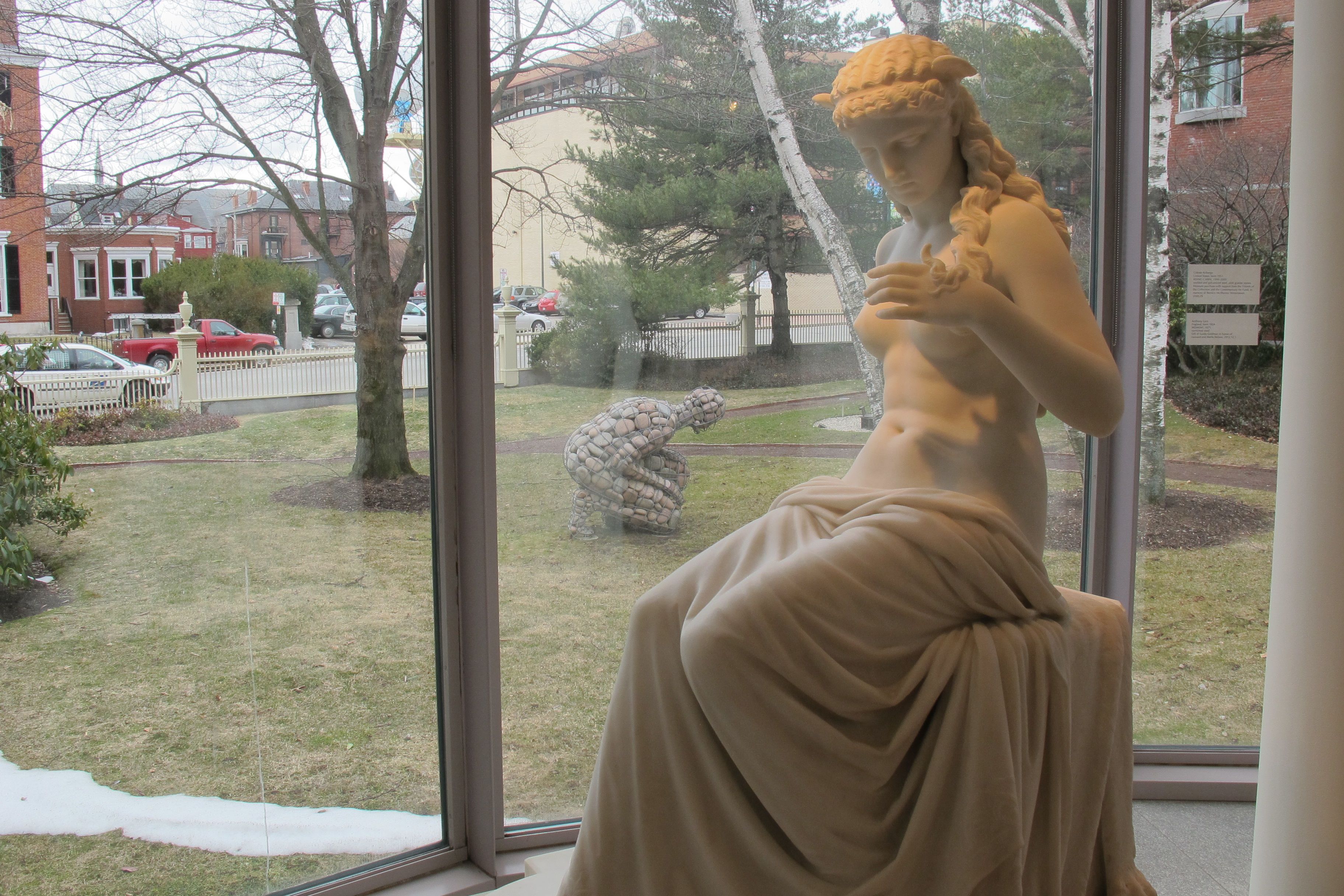
inside-out-figure

It’s like spring cleaning for the mind. We take a few steps back,

outside-in-sculp-stonefig

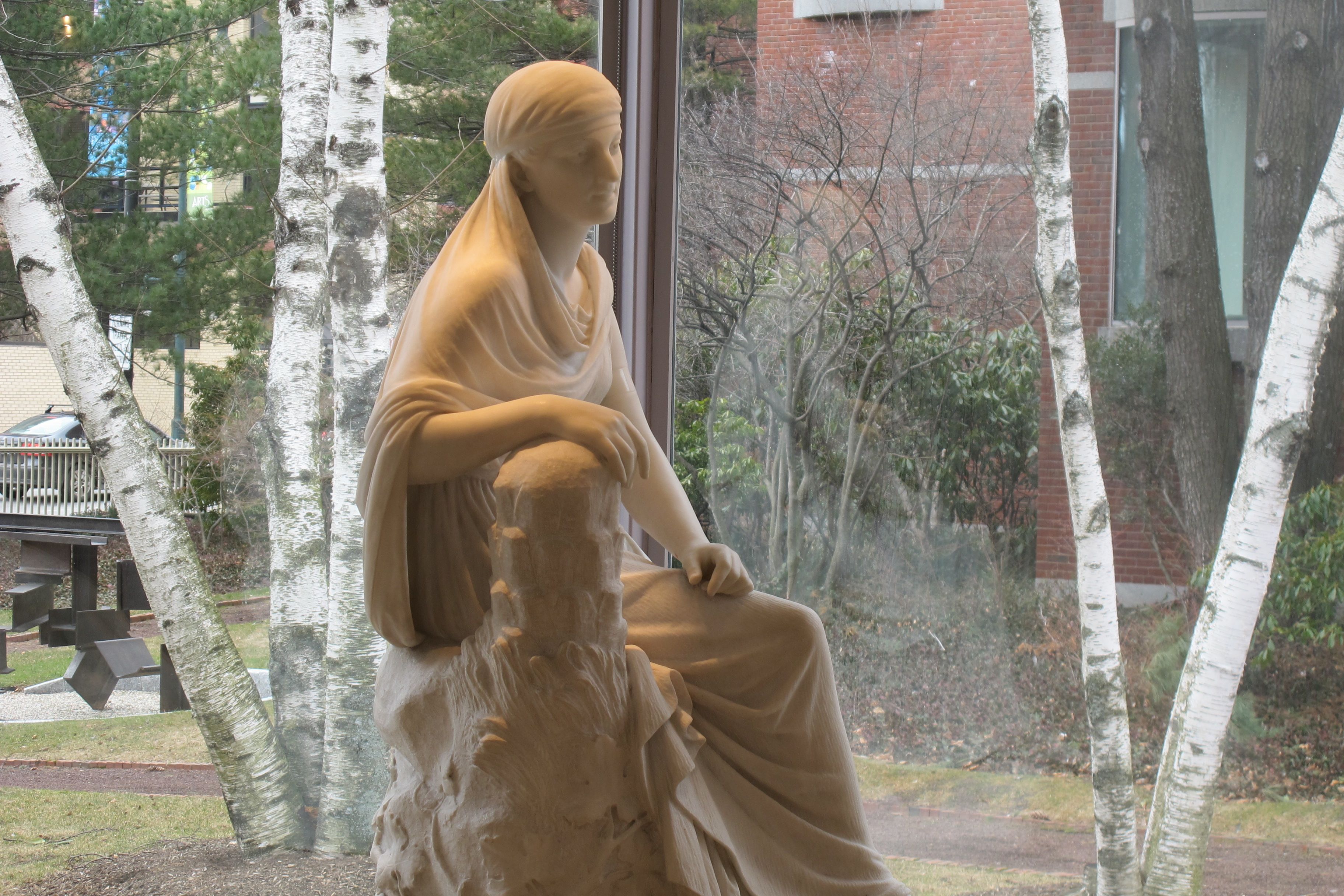
put the past aside,

Madonna

woman_birches

and step into the light.

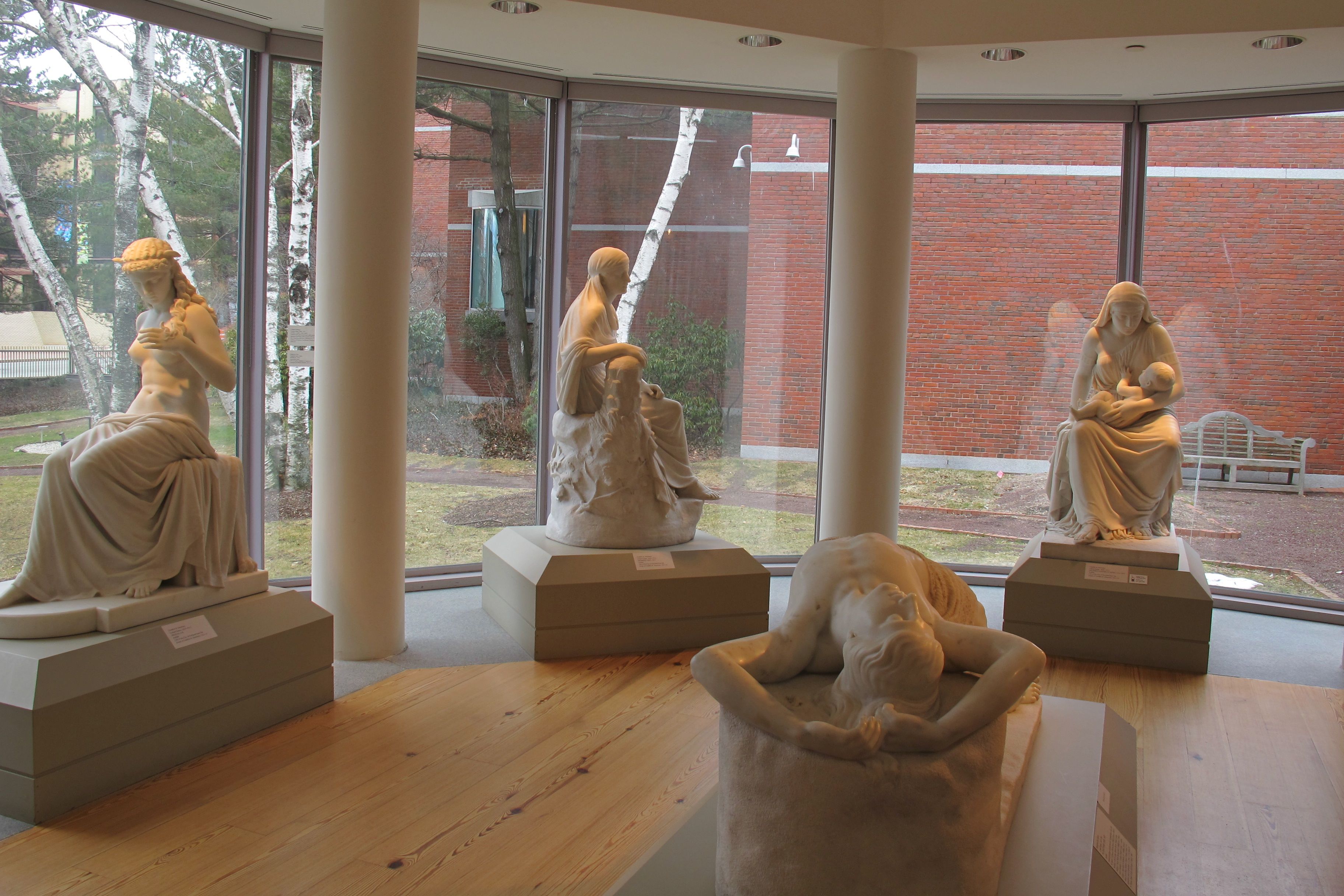
inside-atrium

The photos above were taken at the Portland Museum of Art in Portland, Maine. Walking into this atrium was like stepping into a serenity bath. These figures are locked in their quiet reveries for all time. Standing among them, I felt all the residual heaviness I’d accumulated over the past winter vaporize under their cool gazes.

Stuck as they are, these statues remind us that we can lighten our mental load by letting go of those tightly held ideas that hold us back. Instead of jumping in to make “wise” pronouncements about people and things, we can instead bolster our wisdom by simply holding still and taking the time to listen and observe.

In a few days I’ll be traveling to new places. The landscape, culture, and people will be very different from what I am used to. We won’t even speak the same language. So that I don’t miss anything and take it all in, I’m going to follow my own advice. Mentally, at least, I’m packing light.